Dhaulagiri Circuit Trek - 26 Days

Challenging Camping Adventure
Around Dhaulagiri trek
Dhaulagiri Circuit Trek
Dhaulagiri Trek
Trip Photos
At a Glance
Duration26 Days
Trip GradeStrenuous
i
Maximum Altitude5380 m
Best TimeSept-Oct, Apr-May

Trip Overview

The Dhaulagiri Circuit Trek is one of Nepal’s least crowded and most challenging yet rewarding camping-like high-altitude treks that takes a round trip of the world’s seventh-highest mountain, Mount Dhaulagiri (8,167 m). The 26 days for the Dhaulagiri Circuit Trekking Itinerary is a great alternative for adventurers seeking a true wilderness experience to the Everest Base Camp Trek, the Annapurna Sanctuary Trek, and the Langtang Trek.

Beginning with a drive to the infamous Pokhara Valley, known for its serenity despite being one of the major cities of the country and also called the official gateway for short, such as the Annapurna Panorama Trek to the Annapurna Circuit Trek, soon the Dhaulagiri Circuit Trek itinerary enters the area with one of the most remote and pristine Himalayan landscapes within the Annapurna Conservation Area.

Similar to the Everest Three High Passes Trek, the Manaslu Circuit Trek, and the Gokyo Lakes Trek, reaching the highest point on a Dhampus Pass at around 5,380 m above sea level, the Dhaulagiri Circuit Trekking is a demanding Himalayan trip. Major highlights include ascending up to Dhaulagiri Base Camp and returning; multi-day Dhaulagiri Circuit hiking suits experienced trekkers and climbers fond of expedition-style Himalayan escapes.

Mountain Monarch is offering fixed departures in spring and autumn, including for the years 2026 and 2027. Our years of experience and knowledge of every trail, peak, and mountain village we lead you through mean the success rate is high; authentic cultural immersion awaits, and insider insight into high Himalayan routes and their nature is also there. All at a reasonable Dhaulagiri Circuit Trek cost, contact us now and reserve your seat.

What to expect on the Circuit Hiking of Dhaulagiri?

Trekkers and climbers on trekking trails to complete the Dhaulagiri Circuit Himalayan trip can anticipate the balanced teahouse and camping at the center of the mind-blowing snow-capped mountain ranges, open valleys, and skies with one of the best views of stars. In the lower region, you get to stay at comfortable teahouses opened and managed by Himalayan locals, the Magars and Gurungs.

As you go higher, the villages and vegetation both become sparse and include crossings of essential high mountain passes, lateral moraines, vast moraines, and pristine snowy slopes. Tent camps are the ones that take care of your daily essentials, from meals and lodging to hygiene and any other facilities that you are hopeful of. The Dhaulagiri Circuit Hike promises you a journey full of adventure and solitude, worth every step! 

Remote, serene, and true wilderness trekking

In western Nepal, despite lying inside one of the country’s most popular and largest conservation areas, the Annapurna Conservation Area, the Dhaulagiri Circuit Trekking route receives an edge as one of the less trodden and remote expedition-like Himalayan trips. In the Myagdi and Mustang districts, between the 10th-highest mountain on earth, Annapurna (8,091 m), and the Kali Gandaki Gorge, it takes you to a region with minimal infrastructure.

Over the years, it has helped the Dhaulagiri Circuit Hiking region to retain its pristine natural, environmental, and cultural beauty. Very few human settlements, and recently opened, the Dhaulagiri Circuit Trek Tour trail receives very few travelers even in the times of the year that are considered peak trekking and climbing seasons in Nepal: spring and autumn. So the route remains mostly for those trekking at that time, allowing genuine connections.

Authentic Nepalese culture from the Himalayas

While you do camp most of the time, the Dhaulagiri Circuit Hike also progresses and includes walking past and staying at teahouses between the typical Gurung and Magar villages, such as Singha Bazar, Babiachor, Baguwa, Darbang, Sibang, Mattim, Muri, and Bagar in the first half. Just like in the Upper Dolpo Trek, these villages along the Dhaulagiri Circuit Trek are also almost completely unspoiled by fast-forward modernity.

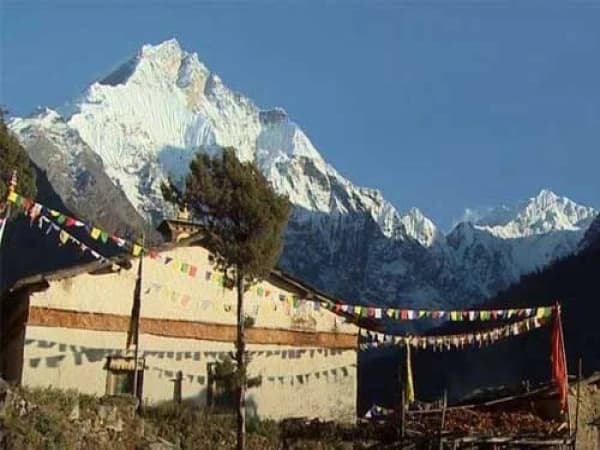
Occasionally, you encounter locals leading their traditional life, a large number engaged in agriculture and animal husbandry. Here, most often you can see them in their unique cultural attire, speaking their own language. If your time of visit coincides with local festivals like “Maghi,” you may even get to take part in the celebration, but from Yak Kharka, Ghorepani Poon Hill, and Nayapul onwards, you may come across fellow tourists and busier trails. 

Stunning Himalayan panorama of numerous snowy peaks

Even before you begin walking on foot, you can relish in the visual retreat of several majestic mountain giants such as Machhapuchhre (Fishtail), Annapurna, Hiunchuli, Gangapurna, and Lamjung Himal from Pokhara. Based on the 26 days Dhaulagiri Circuit Trekking Itinerary, a drive from here takes you to Beni, and a trek from there takes you closer and closer to the sky-towering Mount Dhaulagiri (8,167 m) and surrounding peaks.

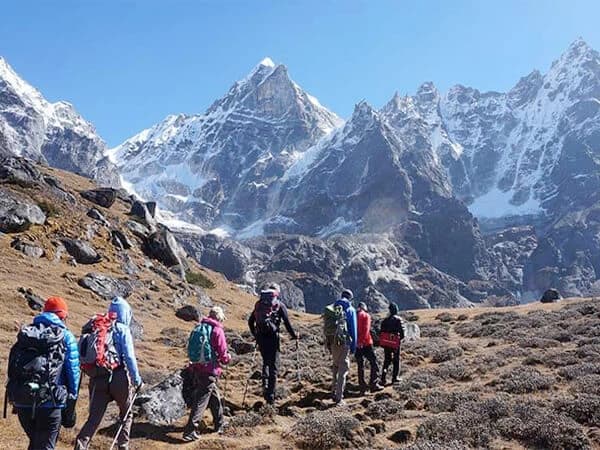
Tukuche Peak, Nilgiri, Gurja Himal, and the Annapurna ranges throughout the Dhaulagiri Circuit Trek—every step serves you as a front-row seat. High-altitude ridges, mountain passes, and viewpoints further present you with more open 360-degree views, especially stunning during sunrise and sunset. The transition from lush subtropical forests and terraced fields to alpine desert-like terrain offers an epic sense of adventure.

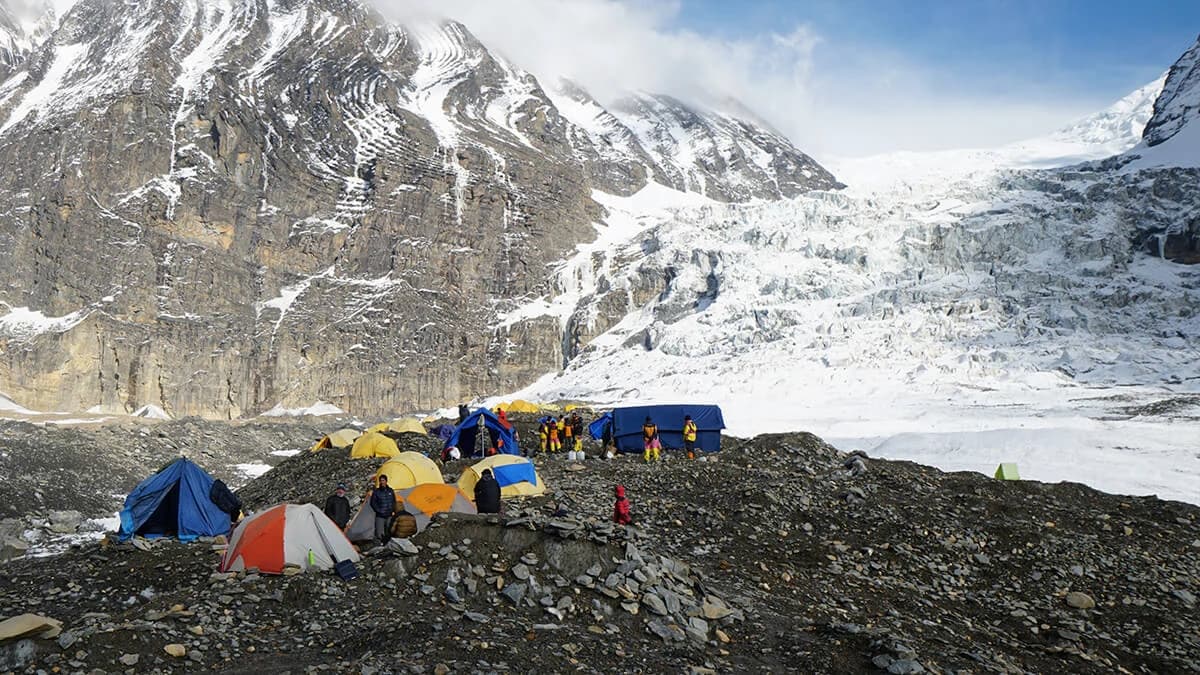
High-altitude Italian and Dhaulagiri Base Camp

Italian Base Camp and Dhaulagiri Base Camp, located at elevations of 3,660 m and 4,730 m above sea level, both serve as major acclimatization stops on the Dhaulagiri Circuit hiking journey. Through Lapcha Kharka and Darbang, you arrive at Italian Base Camp at first and spend two nights and days for proper acclimatization. You have plenty of time to explore and relish the breathtaking mountain panoramas.

Churen Himal, Gurja, Ghustung South, Tsarabang Peak, Jirbang, and Manapathi grace the horizon; thereafter, you set off toward the Dhaulagiri Depot Camp. You can notice the thinner air, especially as you come across the icy Chhobarden glacier amidst the towering Dhaulagiri and Tukuche peaks, where the majestic icefall adds to the wonder of the preexisting extraordinary destination. I.e., these also act as adventurous elements on the Dhaulagiri Trek. 

Cross the French Pass and reach the isolated Hidden Valley

The around Dhaulagiri Trekking continues from the Dhaulagiri Base Camp, also along the icy glacier trail, and is to reach French Pass at approximately 5,360 m above sea level. A gradual ascent through the Hidden Valley, and you make it to yet another major highlight of the high trek. Isolated and secluded behind the Dhaulagiri peak, the adrenaline rush blends well with the sense of peace and isolation, which is simply out of this world.

But the journey to complete the Dhaulagiri Circuit Trek itinerary does not end here; you are yet to experience the maximum elevation gain at Dhampus Pass, measuring in at about 5,380 m above sea level in altitude. From the French Pass, it connects you to Yak Kharka and continues descending toward Jomsom and thereafter visits popular villages and landmarks, also serving as major stops during Annapurna Sanctuary treks.

Well-prepared and equipped Dhaulagiri Circuit Himalayan Trip with Mountain Monarch

Including the crossing of two high mountain passes, both 5,000 m above sea level, several camping days, and entering the rugged and remote Himalaya region, where even fulfilling the necessities is a luxury in itself, the Dhaulagiri Circuit Hike is not for the faint of heart. Proper preparation and high-quality trekking gear and equipment are nonnegotiable. We recommend cardio exercises, long-distance walking, and other activities to build stamina.

It is so that you do not have to spend a heck of an amount and also put a lot of energy into selecting the right one for you. Mountain Monarch provides you with all essential camping gear: tents, sleeping bags, fleece liners, down jackets, and rain ponchos. We also provide well-trained guides who are committed to safety and comfort throughout the trek with proper safety backup, oxygen supplies, and medical kits as well. 

The Dhaulagiri Circuit Trek Itinerary and Cost for 2026 and 2027

The 26 days Dhaulagiri Circuit Trekking Itinerary begins with your landing in Kathmandu. Your dedicated guide escorts you to your hotel. In the evening is a trip briefing, a welcome dinner, and a check of essential gear and equipment; the official journey, however, starts on the third day with a drive to Beni after a visit to the UNESCO World Heritage Sites in the Kathmandu Valley. It lets you steal glimpses of Nepalese culture and Himalayan air.

Passing by the serene Pokhara Valley from Beni, you begin walking on foot, which includes staying at teahouses in between the typical mountain villages miles away from busy cities, such as Babiachor, Baguwa, Darbang, Dharapani, Sibang, Mattim, Muri, Bagar, Doban Kharka, and finally the Italian Base Camp. An extra day here for acclimatization, and then you continue to make it to Dhaulagiri Base Camp and Hidden Valley via French Pass. 

However, the Dhaulagiri Circuit Trekking Itinerary does not conclude here; instead, you head to conquer one of the milestones on the trekking route for a round trip of Mount Dhaulagiri, which is the Dhampus Pass, before joining the Annapurna Base Camp Trekking Trail via Yak Kharka. Sunrise over Mount Annapurna from Poon Hill, i.e., you get to explore most of the major adventurous and scenic highlights that the Annapurna Himalayas have.

Therefore, the Dhaulagiri Circuit itinerary of 26 days is taken as one of the best hiking routes, including for the years 2026 and 2027. While our comprehensive package price of the Dhaulagiri Circuit Trekking Cost includes management of all essential trekking logistics like food, accommodation, transportation, permits, and a licensed guide, you get to make the most out of the Himalayan hike. Mountain Monarch, your reliable travel partner in Nepal! 

Fixed departure of challenging yet authentic camping trek in spring and autumn

There is no doubt that the Dhaulagiri Circuit Hike is one of the most challenging, long, remote, and rewarding high Himalayan trekking destinations in Nepal. From preparation, packing, and choosing the right time to licensed treks, climbs, and tours operators such as Mountain Monarch, everything plays a vital role in deciding how the overall experience is going to be for you. It is because spring and autumn feature the most favourable weather.

I.e., from managing logistics to dry trekking trails with lesser chances of rainfall and snowfall, embrace the Himalayan nature at its most prime. With fewer flight cancellations, delays, and fully operating teahouses even in the most remote and rugged high-altitude trekking and climbing trails, such as Mera Peak, Manaslu Expedition, and Chulu West Expedition, we can offer you fixed departures, including for the years 2026 and 2027. Book a seat for yourself.

Dhaulagiri Circuit Trek - 26 Days Itinerary

Expand all
Day 01

You will land at Tribhuvan International Airport, where our representatives will welcome you warmly. After a brief introduction session, you will relax at the hotel. In the evening, enjoy a local group welcome dinner.

  • Meet the team who will guide you through the Dhaulagiri trek.
  • Discover the rich flavors of Nepalese cuisine.
  • Enjoy the ethnic and cultural program.
Day 02

You will get to explore the rich heritage sites of Kathmandu, the capital city. After breakfast, the guides will take you on an exciting cultural heritage tour of the town. You will visit important landmarks like Pashupatinath and Boudhanath Stupa. These sites are enlisted in the UNESCO World Heritage list. In addition, we can take you to other places of interest.

Along with the tour, you will also prepare for the trek. If you did not have the necessary items for the walk, you could buy or rent them at shops around Thamel.

  • Discover the rich heritage of Nepalese culture.
  • Try out delicious Nepali cuisines.
  • Preparation for the trek.
Day 03

The day starts early, and the team will arrive in a private vehicle at the hotel early morning. Then, you will head to the Prithivi Highway as you drive to Beni. The drive is scenic, with lush green hills and a gorgeous view of the Trishuli River. Once you enter Pokhara Valley, the views of the Machhapuchhre and Annapurna ranges will welcome you. From the city of Pokhara, it is another 3-hour drive to reach Ben.

  • Scenic drive along the hilly landscape.
  • First glimpse of the Himalayas at Pokhara.
  • Overnight stay in the beautiful town of Beni.
Day 4-10

From Beni, you will venture into the Dhaulagiri region. On the fourth day, you will head to Babiachor (950 m) along the Myagdi Khola. Pass by villages like Singha Bazar, Babiachor, and Baguwa. From Darbang, the landscape widens into the terraced landscape, and you cross the Duk Khola.


The gradual trek from here is to stay overnight in Dharapani (1,560 m) on the fifth day. From here, the trail goes deep into the valley with a touch of a steep route. Pass by the villages of Sibang and Mattim, reach a ridge, and cross Dhara Khola to ascend to the Magar village of Muri (1,720 m) for an overnight stay on the sixth day.


On the seventh and eighth days, you will stay overnight at Bagar (2,080 m) and Doban Kharka (2,520 m). From the seventh day, you will get to see the majestic mountains. After descending and crossing Myading Khola, you see mountains like Ghustung South and Jirbang. The ascent to Bagar goes via green grasslands with steep slopes. 


On the eighth day, you traverse the terraced fields and lush forests to reach Doban Kharka. Thereafter are some rocky areas with a mix of dense forests and scenic views of Dhaulagiri I. A few more twists and turns around the Myagdi Khola, and you arrive at Choriban Khola (3,110 m). From the ninth day onwards, you stay on camp at the Italian Base Camp. 

Day 11-12

After arriving at the Italian Base Camp, you will spend a day for acclimatization. The weeklong trek to the base camp will tire you, so you can rest before heading out on a short hike to the surrounding area. The panorama of the mountains from this base camp is mesmerizing. Since you need to adapt to higher elevations, you can hike to nearby regions and explore the surroundings. Do some physical activities as it is recommended for acclimatization.

On the twelfth day, you will head to the next camp called Glacier Camp, the Japanese camp. The trail steeply descends into an area filled with moraines and glaciers. So, you must cross the Chhonbardan Glacier to reach the Glacier Camp. Overnight stay in a tented camp.

  • Explore the Italian Base Camp.
  • Overcome the challenging route to Glacier Camp.
  • Witness the pristine beauty of the snowy landscape filled with moraines and glaciers.
Day 13

Today is finally the day when you will ascend to Dhaulagiri Base Camp. The trail to the base camp is a bit rough and is usually covered with moraines and glaciers. En route, you will see the magnificent Dhaulagiri I to IV and other smaller peaks. You will also catch glimpses of the Dhaulagiri Icefall. You have time to explore the surroundings. Overnight stay in a tented camp.

  • Trek to Dhaulagiri Base Camp.
  • Enjoy the picturesque views of the Dhaulagiri range and Dhaulagiri Icefall.
Day 14

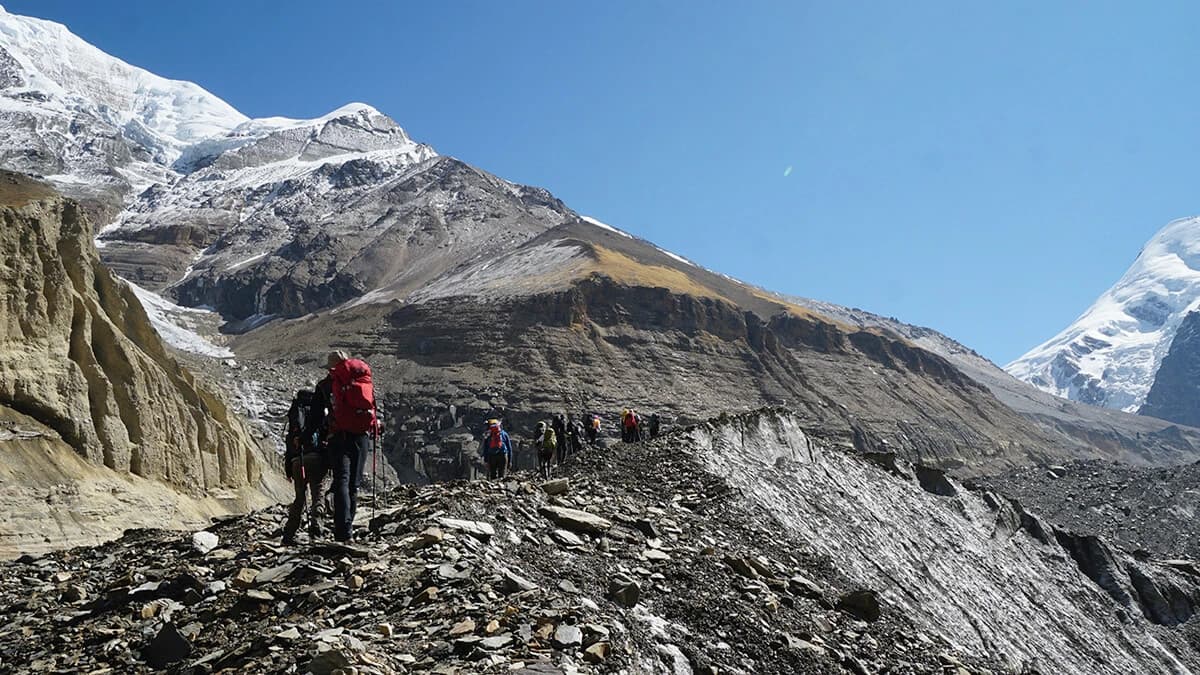
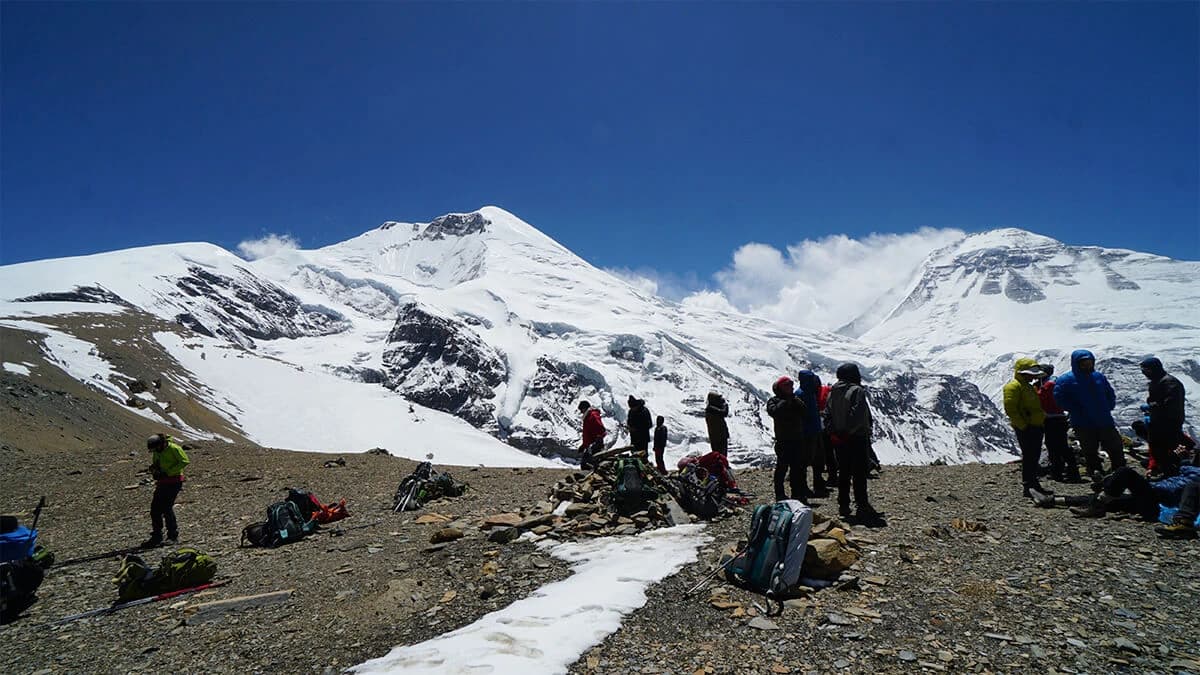
The trail will take you on a walk along the glacier and moraines, opening to an ablation valley. It would be best to be careful as you walk on icy and slippery trails. After a short time, you will have to ascend to French Pass. From the pass, the splendid views of Mukut Himal, Tukuche Peak, Dhaulagiri I, and many more will amaze you. All the mountains visible from this pass surround the Hidden Valley. Finally, the trail goes to the valley edge, and you head to Thapa Pass (5,244 m). From there, you descend to the valley and find a suitable spot to camp overnight.

  • Traverse through glaciers and moraines.
  • Panoramic views of the Dhaulagiri range, Tukuche Peak, etc.
  • Trek to the Hidden Valley Camp and cross the French pass.
Day 15-16

On the fifteenth and sixteenth day, you will explore the Hidden Valley and trek to Yak Kharka via Dhampus Pass. The climb to the Dhampus pass is a bit strenuous, so you must start climbing early in the morning. En route, you can see the spectacular views of Dhampus Peak and Tukuche Peak. The scenery gets more stunning once you reach the pass. Then, you gradually descend from the pass that takes you into the Kali Gandaki Valley. Finally, you arrive at Yak Kharka for overnight camping.

  • Explore the Hidden Valley.
  • Trek to Dhampus Pass.
  • Traverse into the Kali Gandaki Valley and enjoy the pristine nature.
Day 17-23

From the 17th day onward, you will descend to lower elevations and enjoy the lush vegetation before a steep descent to the Kali Gandaki gorge, passing by villages like Jharkot and Khingar. Walking into the valley, you will notice the Tibetan influence on architecture and lifestyle. On the 17th day, you stay overnight at Jomsom (2,670 m).


On the 18th day, you head to the nearby village of Marpha (2,665 m) and enjoy the apples. You can also interact with the local community and other trekkers during these two days. Finally, on the 19th day, you head to Lete (2,470 m), following the Kali Gandaki River gradually to the juniper and pine forests to Lete, renowned for its Thakali culture and cuisine.


From the 20th day, join the trail to the Annapurna region. Past the last Thakali village, Ghasa, a few hours of walking, and you are in the narrowest part of the Kali Gandaki Gorge. Descend to Tatopani (1,160 m), famous for its natural hot springs, and take a bath at the springs once you arrive here. Finally, on the 21st day, you will head to Ghorepani (2,775 m).


Through the rhododendron forest, you arrive at Deurali, where the Annapurna range greets you. You then arrive at Ghorepani. The next day is a hike to Poon Hill (3,210 m) to see the sunrise over the Annapurna range, Machhapuchhre, Dhaulagiri, Nilgiri, Tukuche, and Gangapurna before hiking down to Nayapul and driving to Pokhara.

Day 24-26

The long trek has finally come to an end. From Pokhara, you drive or catch a flight back to Kathmandu. An extra day in Kathmandu will give you time to explore the city before you take the flight out of Nepal.

Dhaulagiri Circuit Itinerary:

Day-to-Day Dhaulagiri Circuit Trek Itinerary. Check out the hiking trail conditions, walking hours, and elevation. Know stunning peaks and diverse cultures.

Route Map

Trek map Dhaulagiri Circuit Trek

Altitude Chart

elevation chart of Dhaulagiri trek

Cost Details

Included

  • Arrival and departure transfers on both domestic and international flights.
  • Hotel accommodation in Kathmandu and Pokhara on a twin share with breakfast.
  • Welcome dinner as listed in the Dhaulagiri circuit trek itinerary.
  • Half-day guided city tour with world heritage entrance fees as in the itinerary.
  • Private transportation to and from the starting and ending points of the trek as applicable.
  • Responsible trekking of 01 Trekker: 01 Porter on Dhaulagiri trek
  • Freshly cooked Full board meals prepared by our cook while on Dhaulagiri trekking.
  • Accommodation is in a tent camp while trekking around Dhaulagiri.
  • All required camping gear, including the member tents on the Dhaulagiri trek
  • Mountain Monarch Trip Gears - sleeping bag, fleece liner, down jacket, rain poncho for a trip.
  • Professional and experienced Trek Leader / Guide trained in Wilderness First Aid.
  • Supplementary Oxygen tank or Gamow Bag (A life-saving device for acute mountain sickness) along with a comprehensive First Aid Kit.
  • Professional and experienced Trek Leader / Guide trained in Wilderness First Aid.
  • Trekking cook, kitchen staff, Trek Sherpa, and trek porter with proper insurance and required trek gear
  • Complementary trek Duffle bag, Mountain Monarch T-shirts, Dhaulagiri region trek map
  • TIMS / Dhaulagiri trek permit, National park / Conservation entry fees.

Excluded

  • Nepal entry Visa fees, Your travel insurance of any kind
  • International Airfare and Airport Tax
  • All Drinks and main meals in cities.
  • Tips and Items of personal expenses like a hot shower, battery charge, telephone, beverage drinks, and water.

Additional Info

Why are summer and winter considered off-seasons for high-altitude Dhaulagiri Circuit hiking?

Summer, among the four main seasons in Nepal, is from June to August. As the weather during this time of year is mostly rainy, it is also called the monsoon. Frequent rainfall is common unless and until you are heading to the rain shadow area in the trans-Himalayas, including on the Dhaulagiri Circuit High Altitude trek. One has to be extra cautious of floods, slippery and muddy trails, and road blockages due to potential floods and landslides.

Likewise, in winter, the higher Himalayas experience heavy snowfall. Early morning and night get extremely cold, with temperatures in the negative below the freezing point. Teahouses and trails may get closed due to it. Although it may be considered doable if packed with the right gear and equipment and prepared accordingly, it requires more effort than in spring and autumn; that is why these times are not recommended, especially for beginners. 

Food, accommodation, and drinking water on the trekking route to complete the Dhaulagiri Circuit Trip

Except for the Italian Base Camp, Dhaulagiri Base Camp, and Hidden Valley, the typical teahouses opened and managed by the Himalayan locals are the ones that provide you with daily places to rest, eat, and refill boiled drinking water. When you are on remote and high-altitude treks such as the Dhaulagiri Circuit Trek, the higher you go, the more basic the option gets. Goods having to be carried from a lower region, keep your expectations low.

Food menus can get limited to typical Nepalese and Tibetan dishes like Dal Bhat Tarkari (a staple Nepalese dish of a heap of steamed rice, lentil soup, and seasonal vegetables), Thukpa, varieties of eggs, and Chapati (Tibetan bread). They are enough to fulfill the carbohydrates and protein required for the journey. Teahouses provide you with rooms, often with twin-sharing beds and simple bedding, which are adequate to spend a comfortable night.

Dhaulagiri Circuit Hiking Difficulty Level: Who can do this trek? 

In terms of difficulty, the Dhaulagiri Circuit Trek is regarded as a strenuous trek that requires both a good amount of physical and mental preparation. Several days of high-altitude trekking at 5,000 m above sea level, where the level of oxygen is significantly lower. Some days include steep uphill climbs and descending trails; if you are beginners, it is better to begin with less demanding treks.

Rapid ascent to high-altitude landmarks in the lack of proper acclimatization can trigger symptoms of acute mountain sickness (AMS), which, if not taken care of on time, can further lead to fatal conditions like HACE and HAPE. The trekking journey to complete the Dhaulagiri Circuit is more suitable for seasoned trekkers and climbers who want to sharpen their skills and test their stamina and endurance in alpine settings. 

Do you need a special restricted permit to go and trek the Dhaulagiri Circuit?

Undoubtedly, the Dhaulagiri Circuit Trekking route is one of the virgin high-altitude hiking trails in Nepal that was opened for trekkers and climbers only recently. However, unlike the Upper Mustang Valley Trek, Tsum Valley Trek, and Upper Dolpo Trek, it does not fall within one of the highly restricted areas; therefore, you do not need special restricted area permits. Two standard permits like those for the Annapurna Trek do the job.

The Annapurna Conservation Area Permit (ACAP) and the standard Trekkers Information Management System (TIMS) card are the permits you need for the Dhaulagiri Circuit Himalayan Trip. These are mandatory for legal access to the trekking trails that are further part of the Annapurna Conservation Area. If you are wondering where to go and how to get there, check the Annapurna Permit Treks that we arrange for you as part of the package. 

Dhaulagiri Circuit Trekking and hiring of local guides and porters 

Nepal banned free individual trekkers (FITs) on April 1st, 2023, especially inside its national parks, restricted areas, and conservation areas. And since most of the Dhaulagiri Circuit Trekking Trail comes under the Annapurna Conservation Area, you may choose not to be part of the trekking group, but it is a must that you are on a guided Dhaulagiri Circuit Hike accompanied by a licensed guide from a government-registered trekking company.

Guides and porters are the real heroes of the Himalayas. A well-trained and experienced guide, such as one from Mountain Monarch, is not only helpful in navigating the tough terrain for you but also is capable of making essential logistics arrangements and filling both the cultural and linguistic gap between you and the locals. Porters, though, are not mandatory; they do lift a significant weight from your shoulder, letting you conserve your energy and time for the trip.