Upper Dolpo Trek - 26 Days

Remote Journey to the Upper Dolpo of Western Nepal
Upper Dolpo Trek
Dolpo trek
trek to Upper Dole
Trip Photos
At a Glance
Duration26 Days
Trip GradeStrenuous
i
Maximum Altitude5,350 m above sea level at at Nangdala Pass
Best TimeApril - October

Trip Overview

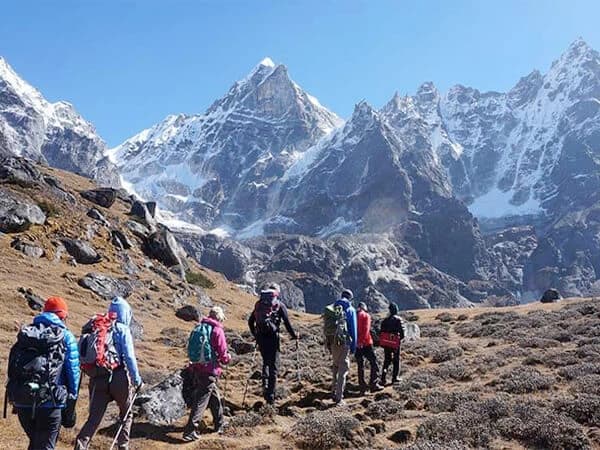
The Upper Dolpo Trek is one of Nepal’s most remote and least explored trekking trails into one of the country's restricted regions, which is also home to the deepest lake, Phoksundo. The Upper Dolpo Trekking Itinerary of 26 days progresses through the largest national park of Nepal, the Shey Phoksundo National Park. From lush valleys and villages with Tibetan cultural influence to high mountain passes, the landscape is diverse.

Reaching the highest point at Nangdala, located at around 5,350 m above sea level, the Upper Dolpo Trekking Itinerary is best suited for seasoned trekkers and climbers who are used to high-altitude trekking and climbing challenges. Tucked away in the far western corner of Nepal, in comparison to the Everest Base Camp (EBC) and the Annapurna Base Camp (ABC) Trek, there’s hardly anyone who has been here before.

Opened recently for tourism only in the 1980s, in isolation, it means you are about to witness and experience the true Himalayan wilderness. Nature, culture, scenery, serenity, and spirituality with a touch of mountaineering challenges—the Upper Dolpo Trek is for someone seeking an extraordinary adventure. With well-preserved Bon and Tibetan Buddhist culture, heritage, and traditions, the Upper Dolpo Hike ensures you a true escape from chaotic city life.

Local-based and well-experienced, Mountain Monarch, a trekking and climbing operator in Nepal, is taking bookings for the years 2026 and 2027. Our Upper Dolpo Trek cost is without any hidden expenses and is reasonable, which includes managing all the essential logistics like meals, lodges, transportation, permits, and a licensed guide. Fixed departures in spring and autumn—contact us now and secure your spot! 

What to expect during the Upper Dolpo Trip of 26 days in Nepal?

The Upper Dolpo Hiking takes you through diverse yet some of the most unique and stunning landscapes, which feature lush hidden valleys, turquoise alpine lakes, and panoramic mountain views. Trekkers come across several typical villages offering a deeper understanding of local life, and as the journey continues with acclimatization days to prevent altitude sickness, you are set to conquer the high mountain passes.

Within the Shey Phoksundo National Park, you can always look forward to wildlife sightseeing; on a lucky day, you might see rare species of blue sheep, Himalayan tahr, Himalayan black bears, and snow leopards. While it is a rewarding journey with higher-altitude ridges offering close-up and open mountain views, you should never underestimate the inherent challenges of high-altitude treks and climbs in Nepal, and be prepared accordingly. 

Less-trodden restricted area trek

The Upper Dolpo Hike route is among the least trodden high Himalayan trekking trails in Nepal, even in comparison to other renowned off-the-beaten-path treks like the Manaslu Circuit Trek, Tsum Valley Trek, and Nar Phu Valley Trek. Without any direct road and airway connections to Kathmandu and other major cities, the regions have further strict tourism regulations as restricted areas; you have access to the most pristine nature and culture.

The vast alpine valleys, cascading waterfalls, lush subtropical forests, and, as you go higher, arid Himalayan terrain with dramatic canyon systems with minimal vegetation are all yours on the Upper Dolpo Trekking behind the 7th highest mountain in the world, Mount Dhaulagiri (8,167 m), and Kanjiroba. This Himalayan trip of 26 days ensures you a profound sense of solitude and self-exploration miles away from any modern distractions.

The Shey Phoksundo National Park and wildlife

After the flight to Nepalgunj and Jupal, the hike to complete the round trip of Mount Dhaulagiri, Upper Dolpo Trekking, and the Dolpo Circuit Trek proceeds through the Shey Phoksundo National Park. Covering an area of 3,555 square kilometers, it is the largest national park of Nepal and features diverse yet pristine ecosystems, from dense pine forests to high-altitude deserts similar to those in Tibet.

I.e., the national park area provides a perfect natural habitat for a wide range of flora and fauna, including the rare species of blue sheep, Himalayan black bear, musk deer, and elusive snow leopard. Therefore, when you pave the way through the Shey Phoksundo National Park during the Upper Dolpo Hike, you also have a greater chance of sightseeing a wide array of flora and fauna and also spotting rare wildlife on an extremely lucky day.

The serene Phoksundo Lake and Caravan Trail

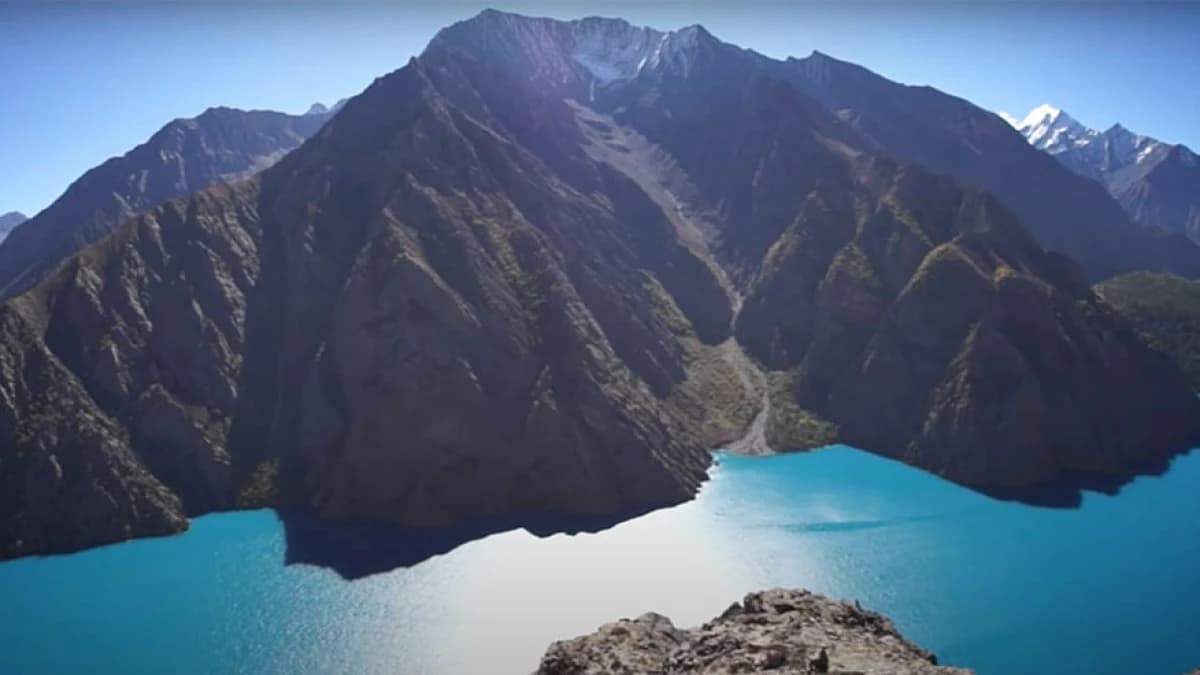
Phoksundo Lake, at around 3,611 m/11,849 ft above sea level and also the deepest lake in Nepal, with a depth of 145 m/476 ft, is one of the major highlights of the Upper Dolpo Hike. Trekkers follow ancient salt trade routes between Tibet and Nepal with occasional yak caravans and nomadic herder encounters. No stranger to fame, featured in Eric Valli’s film of Dolpo life, ‘Himalaya,’ its beauty is compelling to every nature lover.

Nestled at the center of the snow-capped mountain peaks, the pristine, serene, and crystal-clear alpine glacial lake, with its spiritual, religious, and historical significance, keeps you further intrigued by what the Upper Dolpo Trek Trail has to offer. Both Hindus and Buddhists cherish the lake as a pilgrimage site, but unlike at Gosaikunda Lake, bathing here is not allowed, and even if you are a pilgrim, respecting the local culture is nonnegotiable.

Tibet coming alive with Bon and Buddhist culture

Along the Upper Dolpo Trekking route are the typical mountain villages that are inhabited by several indigenous communities of Nepal. Namgung, Saldang, Tokyu, Dho Tarap, Ghyamgar, Tarakot, Dunai, and others: as you stay in the teahouses in between the villages or walk past as part of the Upper Dolpo Trek activities, you have a golden opportunity to relish the insider insight into the local culture, customs, and traditions.

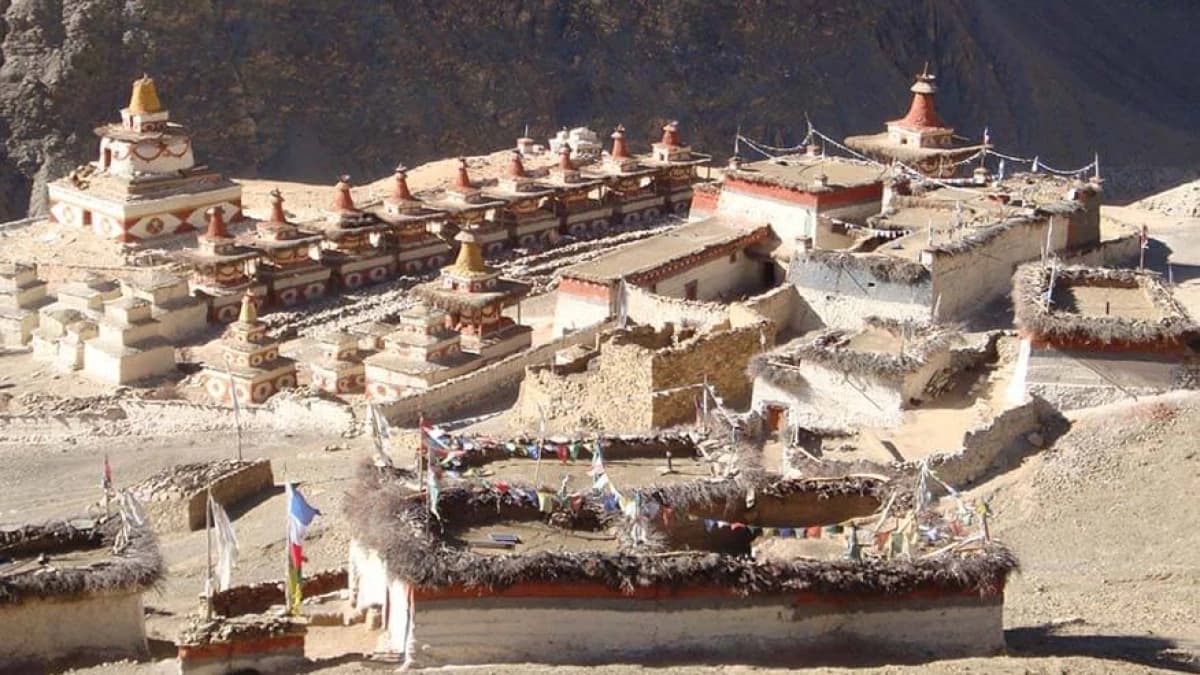
Locals, also called “Dolpo Pa,” are friendly, living a simple life herding and farming. Nature worshippers follow one of the most ancient religions, “Bon,” and Buddhism with close ties to Tibet, as showcased by numerous mani walls, monasteries, gompas, and prayer wheels often decorated with prayer flags in almost the same architectural style as those found in Tibet. It adds to both the cultural and spiritual dimensions, especially in participation in daily rituals.

Rewards and challenges of high mountain passes

Crossing and conquering several high mountain passes is what makes the Upper Dolpo Trekking an adventurous endeavor. Often with steep ascents and descents, rocky trails, and high altitude in addition, it is not for faint hearts. Connecting you to more remote and isolated valleys, you get to explore the hidden gems and stand amidst the sky-towering snow-capped mountain ranges, like the push and pulls, like the rewards.

Sela La Pass (approx. 5,095 m) and Jyanta La Pass (around 5,220 m): the weather here is fickle and can go from sunny to cloudy or stormy anytime, and the routes are also often snowy throughout the year, adding to the challenges. These are both physically and mentally taxing sections. Especially due to a lack of proper acclimatization, anyone can suffer from the symptoms of altitude sickness, which can take fatal forms if not taken care of on time.

The Upper Dolpo Trek Itinerary and Cost for 2026 and 2027

The 26 days is the standard Upper Dolpo Trekking Itinerary. Officially beginning with mountain flights to Nepalgunj and then Jhupal, the primary highlight and intent of this high Himalayan voyage is to reach Sela Pass and Jyanta La Pass, both 5,000 m above sea level. For it, at first, you make your way through Dunai, Ankhe, Renje, and Ringmo near the Phoksundo Lake. From the lake, you head to Shey Gompa

It is when you also cross the first pass of the Upper Dolpo, called Nang Dola Pass (5,350 m), to reach Namgung, also marking the completion of the first half of the journey. The Upper Dolpo Trekking trail then takes you over the Sela Pass with outstanding views of the Mustang and some of the peaks in Tibet. Starting the rugged route toward Saldang, here the culture and traditions seem timeless in the tiny yet scenic settlements. 

There’s more to do. The journey does not conclude here; you walk past the villages of Sibu, cross the Jyanta La Pass the very next day, and then descend to Tokyo village. From this village onwards is a walk to return to Kathmandu and mostly descending trail via the traditional mountain villages of Dho Tarap, Ghyamgar, and Tarakot, back to Dunai and Jupal. From Jupal, now you fly back to Nepalgunj and then Kathmandu, a scenic end.

Like this, the Upper Dolpo Trek itinerary of 26 days strikes a perfect balance of high-altitude hiking, rest, and exploration, and allows a hassle-free trekking experience from start to end; hence, it is taken as the best Upper Dolpo trekking route, including for the years 2026 and 2027. As we offer customization services, and though the exact Upper Dolpo Trekking Cost may vary based on changes made, we offer you the best prices possible. 

Why choose Mountain Monarch for your journey to Upper Dolpo?

Mountain Monarch is a registered trekking, climbing, and tour operator in Nepal. Committed to providing reliable, top-tier services on every Himalayan trip you do with us, be it the 8,000 m Manaslu Expedition and the Everest Expedition, the beginner-friendly Island Peak Climbing and Mera Peak Climbing, the Everest Three High Passes Trek, or the Upper Dolpo Trek in more rugged and remote areas, your safety and well-being is our priority.

We go above and beyond to ensure you feel at ease throughout your journey and have opportunities to craft memories for a lifetime. Provision of group and other gear and equipment as per requirements, including oxygen cylinders and a comprehensive medical kit to handle unforeseen situations, all included in the standard Upper Dolpo Trek Package cost. Skilled porters and guides supporting you every step—you are in capable hands with us! 

Join a fixed departure group in spring and autumn, or personalize

As spring and autumn feature the most favorable conditions for high Himalayan trekking and climbing in Nepal, with the least flight cancellations and delays, fully operating teahouses, and also active wildlife for better wildlife observation, we can offer you fixed departures on almost every Himalayan trip we offer, including the Upper Dolpo Trek. Join our group or plan a private one. Share your preferences, requirements, and areas of interest.

Get a custom-made Upper Dolpo trekking itinerary for a more personalized experience. Looking for mid-altitude moderate treks, add-ons, or shortening the journey, and sharing with you essential pros and cons, we are happy to help your dream Himalayan trip come true. Connect with us now and enjoy meticulous planning from an experienced crew, locals from the Himalayas who know every trail they lead you on by heart! 

Upper Dolpo Trek - 26 Days Itinerary

Expand all
Day 01

Staff from Mountain Monarch will receive you at Tribhuvan International Airport and transfer you to the hotel. You can freshen up and rest for a while before dinner. Enjoy the delicious welcome dinner and enjoy the cultural program. Discuss the details of the trek with the guides and staff.

Day 02

The Upper Dolpo Trip officially begins this day. After the early breakfast in Kathmandu, you drive to the airport and board a plane to Nepalgunj. You can spend the rest of the day exploring the markets and observing the business hub. You can also visit the Indo-Nepal border. Overnight in Nepalgunj.

Day 03

After a short and scenic flight from Nepalgunj, you reach Juphal, the starting point of the trek. Meet the trekking staff and crew in Juphal, and then you begin walking, which is to reach Dunai for the night, one of the most important villages in this region. The trek goes along the bank of the Bheri River, enjoying the stunning scenery.

Day 4-6

After breakfast in Dunai, you start hiking to Shey Phoksundo Lake, one of the highlights of the Dolpo trek. The first day goes through the riverbed of the Bheri River and then through small remote settlements like Hanke and Parela, beautiful meadows, and terraced wheat fields. From Hanke, you enter the Shey Phoksundo National Park and camp at Ankhe.


On the fifth day, you leave Ankhe and start trekking to Renje. On the way to Renje, it is yet another hike through the riverbed via narrow trails. At some point, it can get tricky with several ups and downs, including crossing the suspension bridge and then heading towards the rocky hills with a beautiful view of the hills around, to stop at Renje for the night.


From Renje, you prepare to trek to Shey Phoksundo Lake. Today’s walk is probably one of the most important days. As you trek, you get a beautiful view of the Phoksundo Lake along the way. The trail then leads you to the dense forests and Phoksundo Khola and eventually to the beautiful villages like Ringmo that feature Mani walls, monasteries, and prayer wheels.

Day 7-10

You are treated to the awe-inspiring sunrise and view of the turquoise Shey Phoksundo Lake, a good starting point to head further to the far western part of the lake, which gradually leads you to the riverbank. In a while is a walk down through the rocky trails towards more remote areas to reach another bank of the river, and the next day is a trek north. 


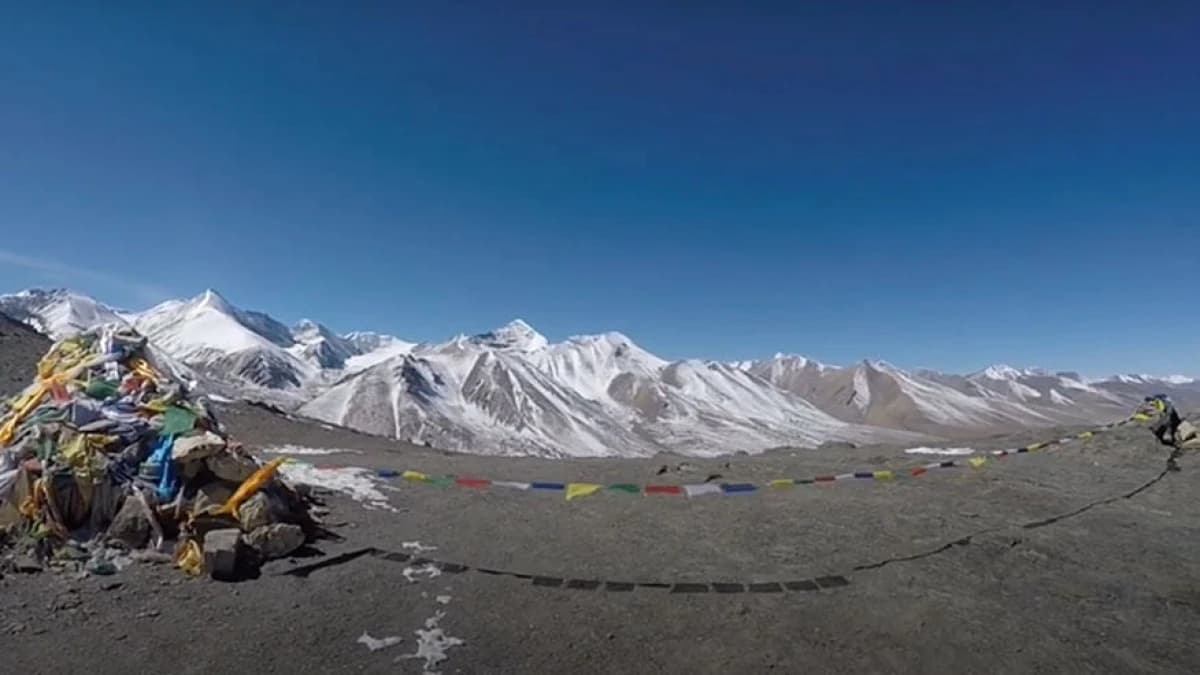
The gain in altitude is significant, and the change in landscape to barren hills also becomes noticeable, and the snow-capped mountains start opening up more. Next is crossing of a small stream, and then climbing a steep hill. After reaching the top of the hill, you get a beautiful view of mountains like Kanjirowa from the top of Nangdala Pass to camp at High Camp.


Also, the highest point of the trek, Nangdala, is at 5,350 m. After breakfast in Phoksundo Bhanjyang, prepare to walk to Shey Gompa. On the way to Shey Gompa, you can also see Tibetan peaks and pictures of Mustang, and after spending some quiet moments simply delving into the pristine nature, you trek to Shey Gompa.

Day 11-12

After breakfast, you leave Shey Gompa behind and continue moving through the barren and rocky lands with very little vegetation. You ascend steeply toward the Sela Pass during the first part of the trek. After two hours of trekking, the pass provides a more open and close up views of Kanjirowa Himal and Mustang that you also saw on the previous day.


After resting for a while, you descend to Namgung for camping. The next day is a hike around Namgung. On the cliff edge is a famous gompa known as Namgung Gompa. Explore the area, enjoy the beautiful landscapes, interact with the locals, and spend the night at the camp under the clear skies, which are best for stargazing. 

Day 13-14

As usual, the day begins after breakfast in Namgung and leaves for Saldang. At first is a steep hike to the top of the hill, where you can see the aerial views of Saldang village. Then, you will start descending. After trekking for about 2 hours, you will arrive at your destination. In the evening, feel free to try local food and wine while you camp at Saldang.


The next day, you explore the village and hike to the nearby hills and mountains. In addition to this, you also visit one of the most important gompas in this region, Yangre Gompa, which is also one of the most visited gompas in this region and is also taken as one of the centers of spirituality in Dolpo, and then return to Saldang for an overnight.

Day 15-17

The trail from Saldang takes us through the small settlements with terraced fields that grow wheat, buckwheat, and potatoes. Along the route, you can observe the Tibetan-influenced culture and local houses, also passing through several monasteries and temples to arrive at Sibu, a perfect place for preparation to cross Jyanta Pass.


It is the final pass of this Upper Dolpo Circuit Trip. You hit the road early in the morning. Steep climb for about two hours through the rugged rocky hills and then trek through the dunes to reach Dachun Khola, giving way to pasture land, where you can also see yaks and sheep, and in a while to Jyanta Pass Base Camp for overnight. 


Likewise, the 17th day also begins earlier, the day you have been waiting for impatiently, and is to cross the Jyanta Pass. After a steep climb for about three hours, you make it to the top of the pass, which is famous for its spectacular view of mountains: Dhaulagiri, Manaslu, and others. Rest for a while and take photographs before descending to Tokyu village.

Day 18-23

From Tokyu, now the main purpose of the Upper Dolpo Hiking is to return to Juphal. The trek to Juphal from Tokyu involves six days of trekking. On the first day is a trek from Tokyu to Dho Tarap that includes a short but beautiful trail through the bank of Thakchiu Khola. Continuing hiring from here then leads you to Shim Ora the next day. 


The trek is a straightforward descent along the Tarap Khola. Descending for a while, you cross the river by a suspension bridge and continue trekking. One more time, you come across many other small streams to reach Shim Ora for camping. Expect a rapid descent, the vegetation changes, and subtropical forests appear. Some beautiful roads and easy trails.


In comparison to previous days, one goes down to Khanigaon through different beautiful villages like Toltol, Nawarpani, Chhyugar, Laina Odar, Chhedhul Gompa, and camp at Khanigaon, from where you descend to Tarakot. The trek is relatively shorter, and the trails are also accessible to cross the suspension bridge and make it to Tarakot, which is populated and developed.


The vegetation becomes pleasant, featuring the dense forest along the Thuli Bheri River dotted with tiny yet scenic houses of various ethnic groups, eventually leading you to Dunai, where you spend the night, and on the next day to Juphal to catch a flight to Nepalgunj and, finally, Kathmandu. Fascinating walk alongside the bank of the Bheri River through beautiful forests. 

Day 24-25

After breakfast in Juphal, rest for a while. And then you will rush to the airport and fly to Nepalgunj. The flight is very short but full of beautiful scenes. The 25-minute flight provides a stunning view of the mountains. After you land in Nepalgunj, our staff transfers you to the hotel. Have lunch and spend the rest of the day strolling around the city, and also overnight.


The next day, after breakfast, you again head to the airport in Nepalgunj and catch a one-hour flight to Kathmandu. Here also a representative from Mountain Monarch transfers you to the hotel. In the evening, celebrate the successful completion of the trek with your crew, have a farewell dinner, and bid your final goodbye.

Day 26

Based on the 26 days for the Dolpo Circuit Trekking Itinerary, it is when the journey officially concludes. Enjoy our free airport drop-off. Three hours before your flight, one of our team members helps you with packing and also transfers you to your hotel. Have a safe journey, and I hope to see you again for yet another epic Himalayan trip.

Upper Dolpo Itinerary:

Are you planning a Dolpo adventure? Here are the details of the Dolpo Trek itinerary. So join us for a safe, curated experience of remote and restricted trekking in the Himalayas.

Cost Details

Included

  • Airport transfer on both domestic and international flights.
  • Welcome group Dinner and Culture tour in Kathmandu
  • Standard hotel on twin share as on the itinerary
  • Tea House and tented camping while on Dolpo trek
  • Full board meals on the trek: Breakfast, Lunch, and Dinner
  • Reliable and medical trek guide with a support crew
  • Responsible Travel 1 Trekker: 1 Porter with proper insurance
  • Proper safety: Oxygen Cylinder and First Aid medical kit
  • Warm Trek gear for the use: a sleeping bag and warm jacket
  • All required camping gear, including member and staff tents
  • Complementary trek gear: trek duffle bag, Tshirt
  • Special upper Dolpo trek permit fees
  • Tims and National Park entrance fees

Excluded

  • Nepal visa fees and your travel insurance of any kind
  • International Airfare and Airport Tax
  • Main meals in Kathmandu
  • Tips to the trek crew
  • Personal expenses like battery charge, telephone, beverage drinks, etc.

Additional Info

When is the best time for trekking in Upper Dolpo?

It is because the Upper Dolpo Trekking journey falls behind majestic mountains in the trans-Himalayan region in a rain shadow area where precipitation is extremely low even during summer or monsoon seasons, often taken as off-season for the majority of Nepal treks and climbs. It is manageable to trek to Upper Dolpo. However, the prime time still remains spring and autumn, like for any other Himalayan trek.

Stable weather, moderate temperature, neither too hot nor too cold, and fewer chances of rain and snow, resulting in dry trekking trails: March to May and September to November are regarded as peak trekking and climbing times of the year for a reason. In winter, temperatures in the higher Himalayas often go below freezing point, and heavy snow may block the trails and teahouses, so it is not recommended for trekking to Upper Dolpo.

What are food and accommodation like on the Upper Dolpo Hiking Trail?

While the Upper Dolpo trekking route may not feature teahouses, guesthouses, and lodges as well-established as those in the Everest, Annapurna, and Langtang trekking regions, they are reliable enough for daily meals and comfortable places to rest. Once a paradise for camping expedition-style high Himalayan adventure, now most of the time you can find teahouses with rooms consisting of twin beds and simple bedding.

Amenities like wifi, hot showers, and electricity are things of luxury; in higher and remote regions, like in and around high passes, they are almost nonexistent. Even if available, they incur some additional cost. This is also what makes a true escape from chaotic modern life and an intimate experience of enjoying what locals eat and how they live. Dal Bhat Power 24 hours, simple yet fulfilling, with no distraction between you and the Himalayas.  

Upper Dolpo Trip Difficulty Level: How to prevent altitude sickness?

In terms of difficulty, the Upper Dolpo Hiking is regarded as moderate to challenging. Long trekking days spanning more than two weeks, crossing at least three high passes above 5,000 m, and occasional encounters with steep ascents and descents—it is a must that you have a good level of physical fitness, and it is better done by seasoned trekkers and climbers who are familiar with the inherent risks, including the unpredictable weather.

Besides it, one of the major concerns for those journeying to the Himalayas, regardless of their age, fitness level, and experience, is acute mountain sickness (AMS), also called altitude sickness in general. In the high, remote, and rugged Himalayas, where health facilities are basic, it can be fatal if not addressed on time. So to prevent it, proper acclimatization is a must; hiking up and sleeping low whenever possible is the golden rule, besides hydration and nutrients. 

Upper Dolpo Trekking Permits: Do you need a special permit?

For journeying to the Upper Dolpo, trekkers need to obtain at least three of the permits, including the restricted area permit (RAP), other than the Shey Phoksundo National Park, and the Trekkers Information Management System (TIMS) card. That means yes, you do need a special permit for Upper Dolpo hiking, for which the trek must be guided and be part of a group with at least two trekkers.

To make sure you conserve your energy without having to worry about a bit of a complicated procedure for obtaining RAP and also save time, the Upper Dolpo Trekking package from Mountain Monarch is comprehensive, including arrangements of all the essential permits for you even before the official departure date. With us, you get to fully invest yourself in making the best out of the journey without having to worry about any trek logistics. 

Guide, porter, and travel insurance for trekking to Upper Dolpo?

Permits and professional guides are mandatory for Upper Dolpo hiking inside the restricted area. Besides being legal requirements, they are your best friends in such a rugged and remote part of the country. Navigation of the tough terrain, logistical management, cultural ambassadors, and immediate emergency help when needed, including contacting authorities for helicopter evacuation, and well-trained and experienced guides become nonnegotiable.

On the other hand, porters lift significant weights from your backpack. Though they may not be mandatory, a seamless journey in their absence is hard to imagine, including on the Upper Dolpo Trek, especially if it is your preferred destination as your first high-altitude Himalayan trek. Travel insurance keeps you financially protected from unforeseen circumstances for better peace of mind. Contact your local agent and choose one with high altitude coverage.