
Trip Overview
The Baruntse Expedition of 35 days is a classic Himalayan mountaineering journey in eastern Nepal between two of the majestic peaks of the world: Mount Everest (8,848.86 m/the highest mountain peak) and Makalu (8,485 m/the 5th tallest). The beginning is similar to any other Everest trek or climb, such as the classic Everest Base Camp Trek, Mera Peak Climbing, and Island Peak Climbing, with a short and scenic mountain flight to Lukla.
However, thereafter, as per the 35 days for the Baruntse Climbing Itinerary, you will be on one of the least trodden trekking trails before the climbing from Baruntse Base Camp officially begins. Through the heart of the Hinku Valley, crossing Mera La Pass, get ready for an ultimate untouched wilderness full of unspoiled natural and cultural charm. Especially to the western Col ensures you a true sense of achievement.
Amidst the iconic mountain giants like Everest, Lhotse, Nuptse, Makalu, and others reaching to the highest point at Baruntse Peak Summit of around 7,129 m above sea level, you have a perfect practice ground to test your stamina, skill, and strength before beginning trekking and climbing to the higher 8,000 m peaks like the Mount Manaslu Expedition and the Mount Everest Expedition. Bookings are now open for 2026 and 2027.
Although the exact Baruntse Expedition cost may vary based on the customization made, it is reasonable at Mountain Monarch, which offers premium services whenever available. Meals, lodging, transportation, setting up camps when needed, permits, a guide, 1 porter per trekker and climber, and also oxygen on standby. The Baruntse Climbing Cost is comprehensive and reasonable. Contact us now and reserve your spot.
What to expect during the climbing journey to Baruntse?
To make it to the top of one of the 7,000 m peaks in Nepal is not everyone's cup of tea. Several days of walking 3,000 m above sea level, where the level of oxygen drops significantly, and anyone, regardless of their age and experience, may encounter symptoms of altitude sickness, followed by at least 5-7 hours of daily walking that can cause extreme fatigue, climbing Baruntse is for someone keen on self-discovery with challenges.
But if you are individuals completely new to high-altitude trekking and climbing environments, it is rather good to begin with more beginner-friendly treks and climbs in Nepal. With the increase in altitude, the terrain becomes tougher, and with minimal human settlements to rely on for any aid in case of emergency, only guided Baruntse expeditions are highly recommended. Overall, you can expect a journey that is challenging and fulfilling.
Where is the Baruntse Peak in Nepal?
Baruntse Peak is among some of the best 7,000 m peaks open for climbing in Nepal, along with Himlung (7,126 m), Tilicho Peak (7,134 m), and Langtang Lirung (7,227 m). Bordered by Hunku Valley to the south and the Barun Valley to the east, it lies in the legendary Khumbu region that is further home to several high mountain peaks on earth, including the top of the world, Mount Everest (the Sagarmatha in Nepal and Chomolungma in Tibet).
The first successful Baruntse Expedition was made in 1954 and was led by the team led by Colin Tod and Sir Edmund Hillary, who was also the first one to successfully make it to the summit point of Everest with Tenzing Norgay Sherpa. The standard Baruntse Climbing Itinerary covers around 130-150 km by air, and approximately 125-140 km on a round trip; an overland journey to Lukla is about 400 km in travel distance combined.
Is the Baruntse Trekking Trail overcrowded?
No, while up to Namche Bazaar, there is a chance that you encounter a large number of trekkers and climbers on Everest high-altitude treks and climbs; thereafter, instead of continuing through the over-commercialized classic Everest Base Camp Trekking route, the Baruntse Trek Trail takes you through Chutanga, Tuli Kharka via Zatrawa La Pass, Kothe, Thagnak, Khame Dingma, Seto Pokhari, and finally to Baruntse Base Camp.
These parts of the Khumbu Himalayas remain less traversed even during the times of the year taken as peak for high Himalayan journeys: spring and autumn. I.e., the Baruntse Peak trekking and climbing trail is very wild and pristine and offers you an authentic experience, allowing a true mountaineering feel. Far away from modern chaos, the Baruntse Expedition offers a real Himalayan escape with a sense of achievement and adventure.
Who lives within the Makalu Barun region?
Two of the indigenous communities of Nepal are the locals of the Makalu Barun region: Sherpa and Rai. As you go beyond Lukla along the trekking routes leading you to the Baruntse Base Camp for climbing, the villages you come across are mostly inhabited by Sherpas, who are celebrated worldwide for their superhuman-like climbing skills and adaptability to arduous Himalayan surroundings.
Even in this era of rapid urbanization, you can see the majority of the Himalayan locals engage in their daily life of agriculture, animal husbandry, and now some in tourism. Calm and simple yet adequate, a realization happiness does exist in small things where the monasteries, mani walls, and chorten decorated with prayer flags add much to the deeper understanding of the culture with close ties to Tibet.
Wildlife sightseeing during the Baruntse Expedition
As you know, the Baruntse Peak Climbing Itinerary progresses within the Makalu Barun National Park, which protects both the Barun and Hunku Valleys. Spread over an area of 1,500 sq. km within the districts of Sankhuwasabha and Solukhumbu, a part of the sacred Himalayan landscape extended up to China (Tibet Autonomous Region). Besides being a home to diverse ethnic communities, it is a natural habitat of several rare species.
On your lucky day in 35 days, there is a higher chance that you come across them or at least catch some glimpses. Red panda, Himalayan musk deer, Himalayan black bear, Himalayan tahr, and elusive avians like the Satyr tragopan, blood pheasant, and Himalayan monal, followed by snow leopard in areas that often experience snowfall in winter—yes, the Baruntse Expedition itinerary of 35 days is a good choice for wildlife aspirants as well.
Which mountains are visible from Bartunse Summit?
From start to end, you can relish the glorious mountain views and their unique perspective. Right from Lukla, the starting point for even a climbing journey to Baruntse, you can see Ama Dablam (6,812 m). Thamserku is closer to Namche Bazaar, and as you go higher and deeper into Khumbu, the peak of Kangtega (6,782 m) welcomes you, and above here, to Barun and Hunku Valley, are Chamlang (7,319 m) and Mera Peak (6,476 m).
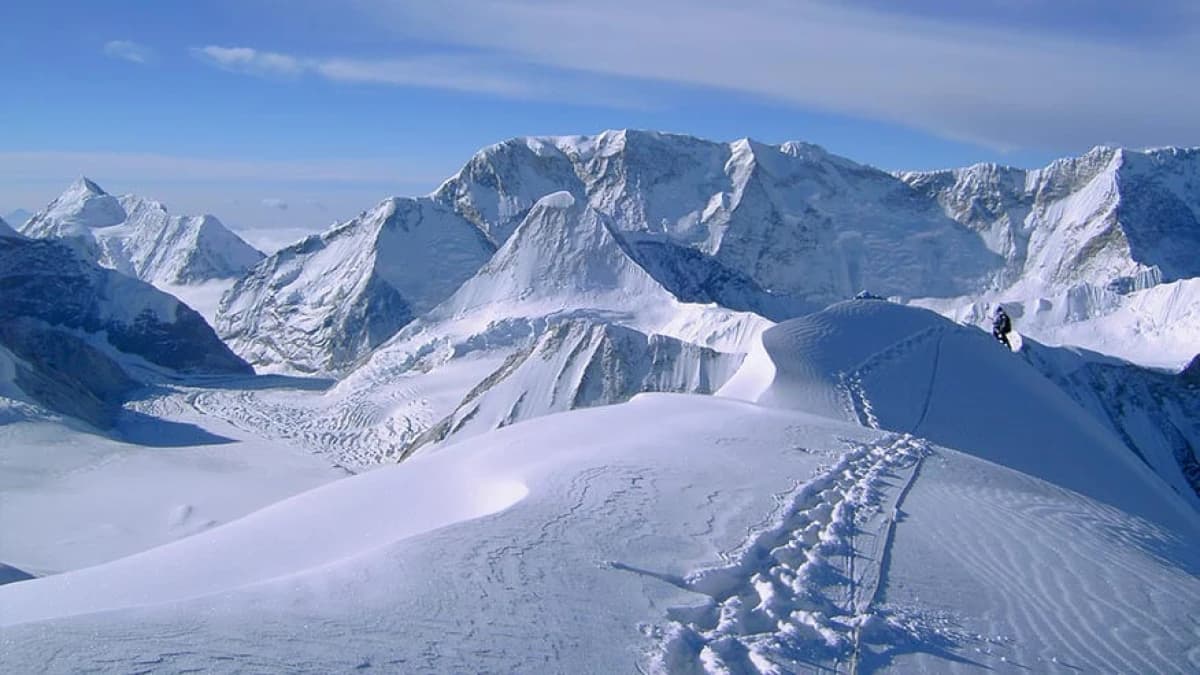
The view is finer from the Baruntse Summit. With 360-degree expansive and unobstructed sights of multiple 8,000 m giants, the scenery is simply out of this world. Worth every push and pull. While spending more than 30 minutes is not recommended at the top of Baruntse Peak, the panoramic views of Makalu (8,485 m), Lhotse (8,516 m), Everest (8,848.86 m), and Ama Dablam are extremely compelling, a haven for photographers.
Climbing a 7,000 m peak with proper safety backup from Mountain Monarch
There’s no wonder that Baruntse Peak is one of the best beginner-friendly 7,000 m Himalayan peaks in Nepal, especially when you are fully prepared and book a climbing trip with one of the experienced trekking and climbing operators, such as Mountain Monarch. Our Baruntse Peak climbing cost is comprehensive, including the provision of essential climbing gear and equipment. To make sure you are fully prepared, we conduct a climbing training course.
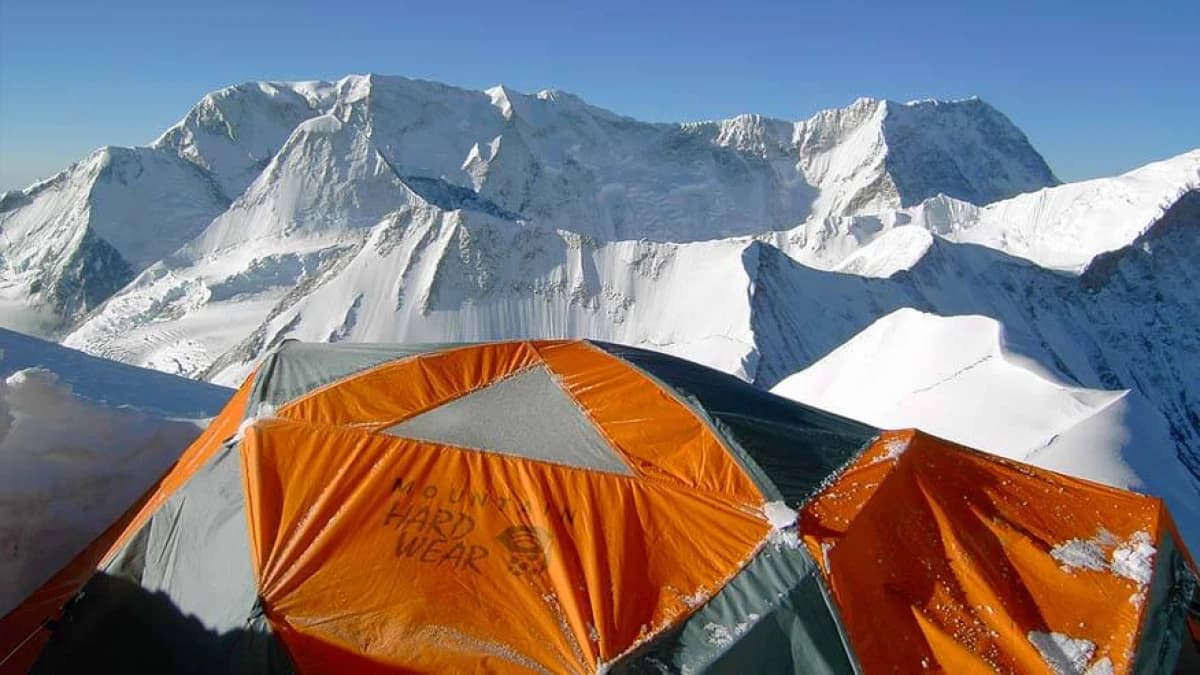
At Base Camp, this refresher course includes practice of essential mountaineering techniques, such as using crampons, ice axes, ropes, and other gear. Our expert guides also set up higher camps at 6,400 meters and 6,800 meters to facilitate a safe and efficient ascent. Fixed ropes are installed along critical sections of the route to enhance safety during the climb to Baruntse Peak, along with a medical kit, oxygen cylinders, and a Portable Altitude Chamber (PAC).
Why is the Baruntse Expedition Itinerary of 35 days the best? Cost for the 2026 and 2027 itinerary
The Baruntse climbing itinerary of 35 days is meticulously crafted by a well-experienced and licensed mountain guide. It ensures proper acclimatization to build the stamina and skills necessary for a successful summit push. At Base Camp, located at 5,300 meters, we ensure you a comfortable and supportive environment. Beginning typically with a mountain flight to Lukla, in no time you purse less trodden route that goes via Chutanga and Tuli Kharka.
From Thuli Kharka is a descent to the Hinku Valley past Kothe, and continuing from here, you move on to Thaknak, Khare, and an acclimatization day here, and finally cross Mera La to arrive at Kongma Dingma with yet another day for acclimatization. Only then did you make it to the Baruntse Base Camp to set up the camp and start the climbing period. By the 28th day, you would have made it to the Baruntse Peak. Training and summit attempt on a clear weather day.
The Baruntse Expedition Itinerary from Mountain Monarch ensures you have all that is required for a safer and more immersive Himalayan climbing trip with a higher success rate. The Baruntse Peak climbing cost is reasonable at Mountain Monarch, including for the years 2026 and 2027. Premium services whenever available, from high-quality trekking and climbing gear to licensed mountain guides, their salary, and insurance, we've got it all covered.
Join group fixed departures in the spring and autumn of 2026 and 2027
In the peak trekking and climbing seasons, spring and autumn, we can offer you fixed departures on every trip you do with us, such as the Annapurna Sanctuary Trek, Upper Dolpo Trek, and Manaslu Circuit Trek, including the climbing of Baruntse Peak. Join our group or make it yours and opt for a more private and personalized climbing journey. We are happy to offer you custmoizable Baruntse Expedition of 35 days. Let us know what you are wishing for.
We are flexible to suit your group preferences or specific requirements for departures, including for the years 2026 and 2027. Whether you are seeking an adventurous climb with proper training or aiming to conquer one of Nepal's iconic 7,000-meter peaks, Baruntse Expedition offers the perfect blend of preparation, support, and adventure. Into the heart of the Himalayas and make your mark on one of the world's most stunning summits!


