Tsum Valley Trek - 16 Days

Tsum valley Trek
Trek to Tsum valley
Tsum trekking
At a Glance
Duration16 Days
Trip GradeStrenuous
i
Maximum Altitude9093 m
Best TimeOct-Nov, Mar-May

Trip Overview

The Tsum Valley Trek is one of the most off-the-beaten-path trekking routes in the Manaslu Conservation Area, which is further one of the highly restricted areas of Nepal. As per the 16 days for the Tsum Valley Trekking Itinerary, the journey officially begins on the 4th day after a drive to Arughat, and then the higher you go, the further it takes you closer to the 8th-highest peak in the world, Mt. Manaslu (8,163 m), which translates to spirit of the mountain from Sanskrit.

Also called the killer mountain, it's behind the trans-Himalayan rain shadow areas, and it's the place that you explore during the 16 days Tsum Valley Trekking Itinerary. From start to end, the landscapes are unlike those seen during the popular high-altitude treks in Nepal, such as the Everest Base Camp Trek, the Annapurna Base Camp Trek, and the Langtang Valley Trek. While the main highlight is the life of Tsumbas, you do get to see the culture of several ethnic tribes.

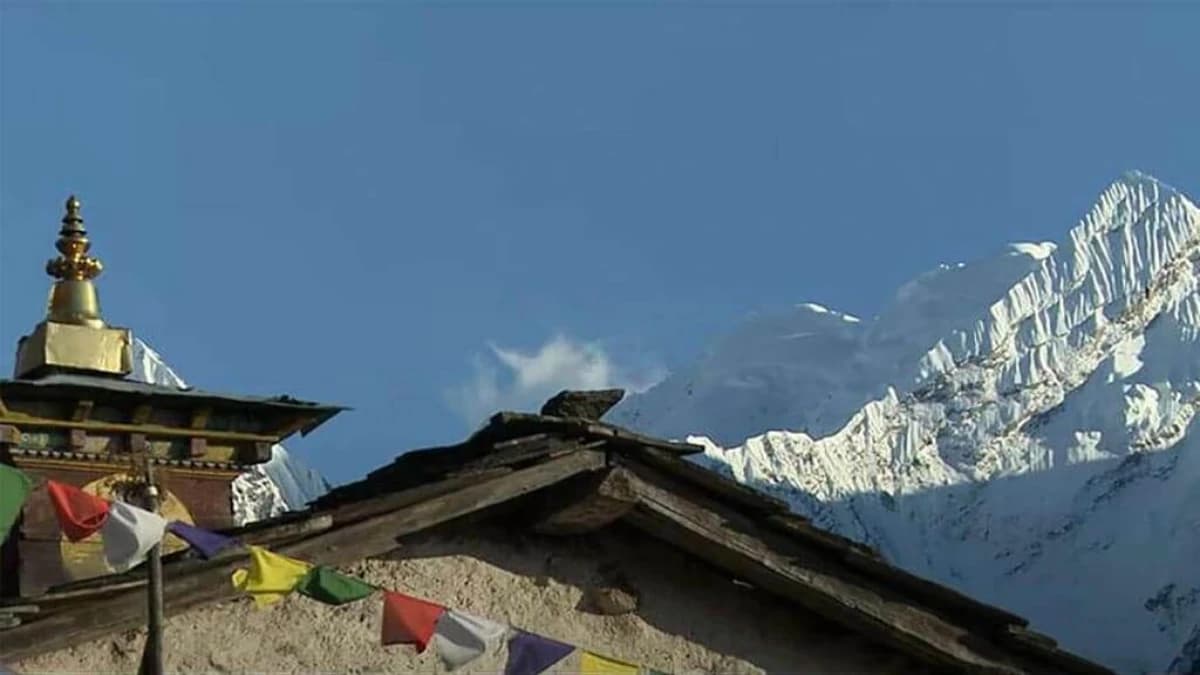
It is like those found in the Tibetan plateaus' dry and full red cliffs, as such, seen during the similar types of high-altitude trekking routes such as the Upper Dolpo Trek, the Upper Mustang Trek, and the classic Manaslu Circuit Trek crossing the longest mountain pass in Nepal, Larke La Pass (5,106 m). Culture also showcases a strong Tibetan Buddhism influence, as characterized by several monasteries, mani walls, and gompas often adorned by prayer flags.

At the center of the stunning Ganesh Himal, Sringi Himal, and Boudh Himal, the Tsum Valley Trekking offers you the true Himalayan wilderness without extensive high-altitude challenges. Bookings are now open for 2026 and 2027. Purchasing a comprehensive one means our Tsum Valley Trek cost covers everything from logistics management to special permits. Though the exact Tsum Valley trekking cost may vary, it is worth it. Reserve your seat now! 

What to expect during the Tsum Valley Trekking of 16 days?

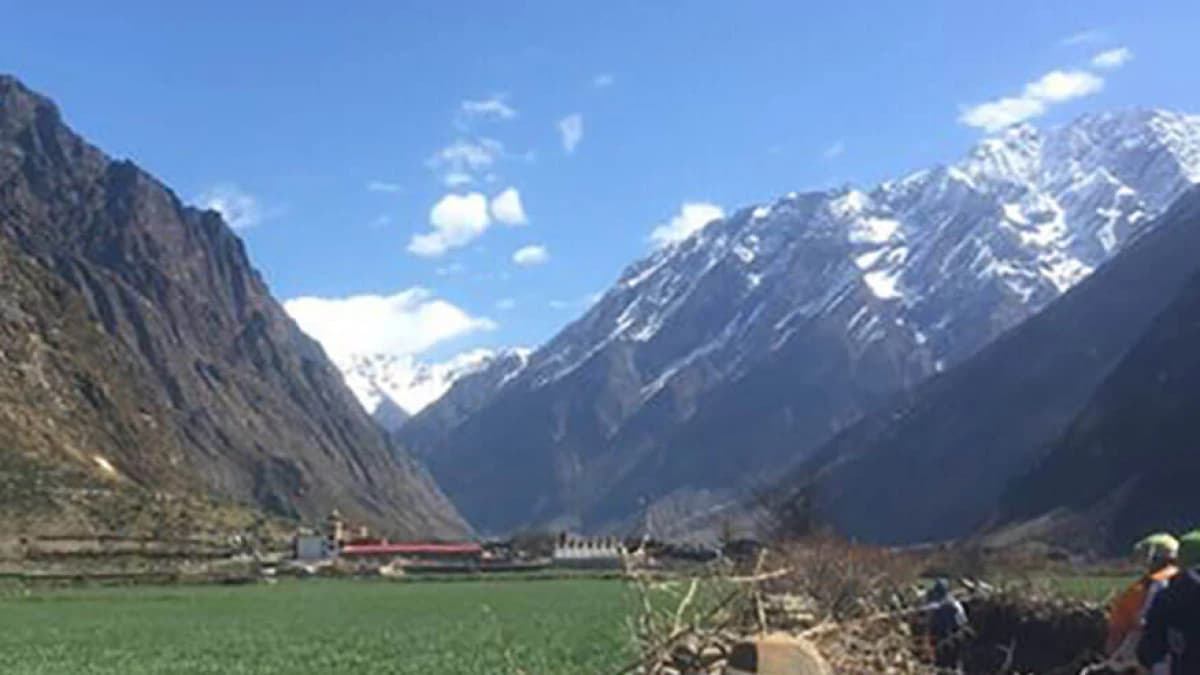
Once you leave the chaotic city behind with a drive to Arughat and enter deeper into the Manaslu Conservation Area, beautiful, dense forests welcome you. For a few days, it feels as if you are playing hide-and-seek with the majestic snow-capped mountain peaks dominating the sky horizon, followed by occasional encounters of rivers and streams in between the deep valleys and remote Himalayan villages, a raw, scenic cultural escape. 

Starting from 3,000m above sea level is when the human settlements begin to get sparse, and so does the vegetation, with more open views of the surrounding snow-capped mountain ranges, and also the risk of altitude sickness on rapid ascent due to a lack of proper acclimatization. Though it is a mid-altitude trip overall, the Tsum Valley Hike does demand a good level of both physical and mental preparation, with flexibility to remote living conditions.

How is the natural beauty in the Manaslu Tsum Valley? 

The Tsum Valley hiking route is part of the larger Manaslu Conservation Area. Spread over an area of 1,663 square kilometers, established in 1998 in the Gorkha district, it boasts a diverse natural beauty from lush subtropical forests full of sal, fir, and rhododendron to almost desert-like high-altitude, dry, and dramatic landscapes in the upper Himalayas. Likewise, it also features several rivers and waterfalls, some even directly originating from the melting of glaciers.

Seeing the least intervention from the outer world, it is one of the least trodden trekking routes of Nepal, even during the times of the year that are taken as prime seasons for high Himalayan adventures, including for the Everest Expedition and Manaslu Expedition, Island Peak Climbing, and Mera Peak Climbing: spring and autumn. In serenity, you would have a lot to capture, both in your memories and lens. The much-needed nature break is calling you! 

Who are the Tsumba people? How are they? 

The natives of the Tsum Valley are Tsumbas, which is derived from the Tibetan term “Tsumbus” and translates to the people from the valley of happiness, Beyul Kyimolung. Life here is strictly directed by Tibetan Buddhism, a philosophy that believes in world peace and harmony, as such in Tibet. Locals to this day could be seen to have continued their centuries-old authentic culture and learning, including a strict prohibition of killing, hunting, or hurting any organism.

Leading a simple life, immersed in agriculture and animal husbandry, yet content with a strong sense of community, they are friendly. Happy to have you there and share their way of life. Their warm hospitality, providing a home-away-from-home ambience as you stay in teahouses, local lodges, and guest houses along the Tsum Valley Trekking Trail, is what makes the journey beyond mountains and often also the reason you want to visit the region time and again.

Why is the Tsum Valley Known for its rich Culture? 

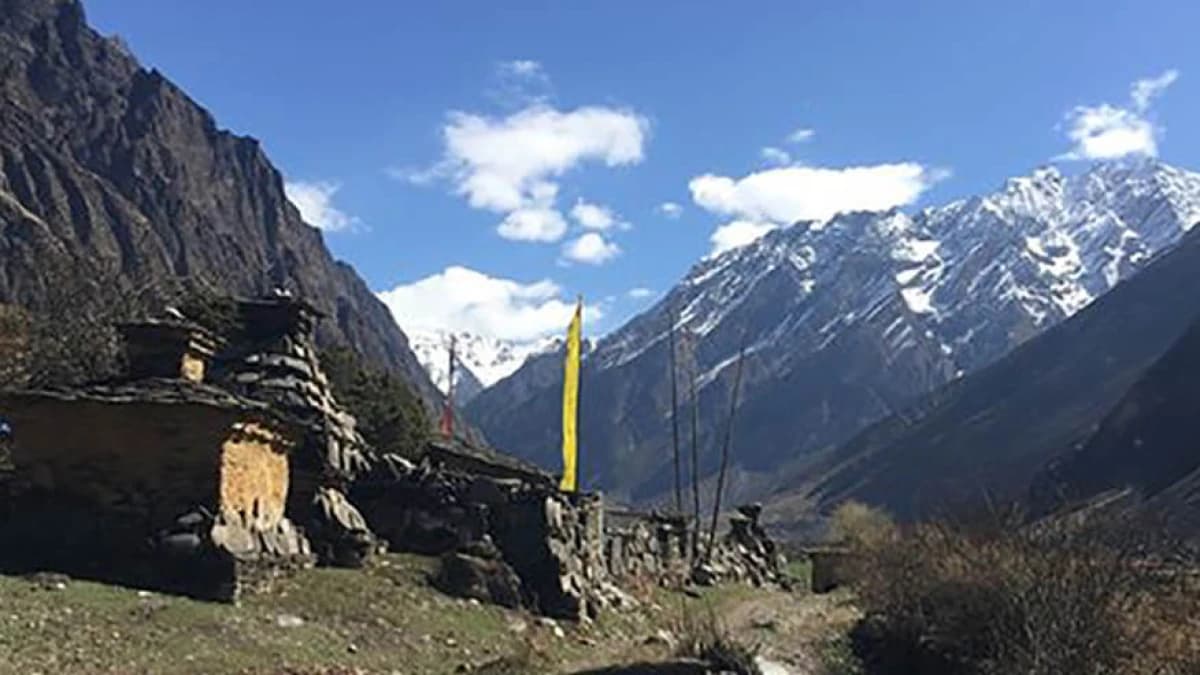
Besides the traditional tiny yet beautiful stone-roofed houses of diverse ethnic communities of Nepal, along the way, trekkers also come across several monasteries, mani walls, prayer wheels, and gompas, often decorated with prayer flags, some of which are held extremely sacred by Buddhists across the globe, along with locals as such Milarepa Piren Cave, Mu Gompa, Rachen Gompa, and also the Gonhgye Gompa.

All at a high altitude of 3,000 m above sea level, located away from the human settlements and, of course, miles away from the modern chaos, let your soul be free in the serene natural setting, which for devotees is a place to embrace Nirvana. Meditation spots, Mu Gompa, especially connected to Master Milerapa, following the ancient Kyimu Lung pilgrimage route, all with a deep connection to a culture that values spirituality above the physical world.

Can you see mountains during the Tsum Valley trek?

Yes, though hiking through the Tsum Valley is in the trans-Himalayan rain shadow area of Nepal, from start to end, you come across some of the most stunning mountain sights you have ever seen in your entire life. The higher you go, the more exclusive the views get, especially from the high-altitude landmarks such as Mu Gompa, Rachen Gompa, Gonhgye Gompa, and the main highlight of the journey, Tsum Valley.

You walk at the center of the Ganesh Himal (7,118 m), Sringi Himal (7,187 m), Boudh Himal (6,672 m), Himalchuli (7,893 m), and, above all, Mt. Manaslu (8,163 m), the 8th highest peak in the world. In changing landscapes, a combination of green valleys, rocky cliffs, forests, and alpine meadows at high altitudes contrasts with the constant views of white mountains. The Tsum Valley Hike of 12 days ensures you a visual retreat side by side.

What are the places close to Tibet in the Tsum Valley?

It is because several villages and parts of the Manaslu Conservation Area sit just south of the Tibetan border in Nepal, including the Tsum Valley; it is regarded as one of the highly restricted areas of the country. Tourism here is controlled. Only limited permits are issued for visiting the land in consideration due to border sensitivity and the fragile Himalayan ecosystem, which is also one of the reasons for the most pristine nature and unspoiled culture in the region.

While the Tsum Valley itself is closer to some of the landmarks, you may even catch glimpses of the country called the roof of the world, Tibet, and also gain a closer understanding of the well-preserved culture from Mu Gompa, the Nile village, and Chule. If you like, you may choose to spend some extra days here; we are happy to customize the standard Tsum Valley Trekking Itinerary for you, including for the years 2026 and 2027.

The 16 days Tsum Valley Trek Itinerary and Cost for 2026 and 2027

The Tsum Valley Trekking Itinerary of 16 days begins with your arrival in Kathmandu. Then the 2nd day is well spent with a cultural tour visiting the UNESCO World Heritage Sites such as Swayambhunath, Pashupatinath, Kathmandu Durbar Square, and Boudhanath, all of which provide a sneak peek into the vibrant cultural tapestry of Nepal. On the 3rd day, is when you will leave Kathmandu and officially head for the Tsum Valley Hiking Trail with a drive.

Past Arughat, Machhakhola is the hiking starting point, which continues on, stopping at typical mountain villages such as Macchakhola, Doban, Philim, Chumling, Chhokengparo, and Chule, with a side trip to Milarepa Piren Cave and Mu Gompa, with a visit to Gompa before exploration day, making sure you get to experience the right mix of culture, nature, and mountain views while on the trekking route, and the rest day is so that you also do not feel rushed.

The best thing to do on the exploration day is to hike up and sleep low, which is also the golden rule to prevent altitude sickness before you continue hiking up to Rachen Gompa, also visiting Gonhye Gompa on the way, then Dumje, from where you then return to Philim, Doban, and finally a drive to the Kathmandu Valley. Like this, the Tsum Valley Trek itinerary of 16 days ensures you a seamless journey with a high success rate and experience the best of it.

Book it now at Mountain Monarch. Our Tsum Valley Trek cost covers essential logistics, permits, gears, and equipment; a guide; 1 porter per trekker; and an oxygen cylinder on standby. Your safety is our topmost priority. Solo, group, private, or family—we can arrange it all for you. While this may cause some fluctuation in the predecided Tsum Valley trekking cost, including for the years 2026 and 2027, it is transparent and meant for a personalized experience.

Join fixed departures to explore the best-kept secrets in spring and autumn

Not many adventure travelers venture into this high, mystical valley, which was once a vital trade link between Nepal and Tibet through the Chumche and Chhekampar valleys, which feature traditional lifestyles and occupations of the Himalayan tribes. The glaciated valley of Chhekampar offers stunning views of Ganesh Himal (7,422 m), Sringi Himal (7,165 m), and Boudha Himal (6,672 m), a truly breathtaking sight. 

The Tsum Valley Trek is a rare and extraordinary adventure, offering an unspoiled glimpse into the ancient traditions and natural beauty of the remote Himalayan region. For the years 2026 and 2027, we are offering fixed group departures in spring, autumn, and summer, and in addition, we are also flexible to make arrangements as per your preferences and requirements. Contact us and let us know what your plans are, and enjoy our itinerary made specifically for you!

Tsum Valley Trek - 16 Days Itinerary

Expand all
Day 01
  • Accommodation: Three-Star Hotel 
  • Meals: Welcome-Dinner 
  • Max altitude: 1,330m

Tsum Valley Trek begins upon your arrival in Kathmandu. Our representatives will receive you at Tribhuvan International Airport and transfer you to the hotel. Enjoy a refreshment, and in the evening, there is a welcome dinner. In the meantime, you can enjoy strolling around Thamel Town in the afternoon.

Day 02
  • Accommodation: Three-Star Hotel 
  • Meals: Breakfast 
  • Max altitude: 1,330m

Early in the morning, an experienced tour guide takes you to some of the most famous UNESCO World Heritage sites, including Swayambhunath, Pashupatinath, Kathmandu Durbar Square, and Boudhanath, all of which trace the history of Hinduism and Buddhism and give a glimpse into typical Nepalese culture and traditions.

Day 03
  • Accommodation: Local-Lodge 
  • Meals: Breakfast-Lunch-Dinner
  • Max altitude: 869m 

The Tsum Valley trek officially begins today with a joyous drive from Kathmandu to Machhakhola. At first, along the Trishuli River through the Prithvi Highway, and in a while along the Budi Gandaki River past the Arughat Bazaar, eventually connecting you to the Soti Khola on the foothills of the majestic Ganesh Himal.

Day 04
  • Accommodation: Local-Lodge 
  • Meals: Breakfast-Lunch-Dinner
  • Max altitude: 1,070m 

It is the day when you will officially begin to walk. Leaving Machha Khola behind, you head for the Doban, and most of the time is along the bank of the Budi Gandaki River, filled with fields of coffee, buckwheat, and tobacco. Thado Khola, Khorlabesi, Tatopani, and finally, you would have made it to Doban for an overnight stay.

Day 05
  • Accommodation: Local-Tea-House 
  • Meals: All-Three-Meals 
  • Max altitude: 1,570m

As usual, the hiking of the day begins after a warm breakfast. From Doban village, at the initial stage, is an uphill climb which gradually makes way to the east of the Budhi Gandaki River. After a few hours of walking, you would be at Thulo Dhunga. Crossing an old suspension bridge over the Yaru River, it takes you to Thulo Bharyang, Jagat, Sirdibas village, and eventually to Philim.

Day 06
  • Accommodation: Local-Tea-House 
  • Meals: All-Three-Meals 
  • Max altitude: 2,386m

The Tsum Valley Hike continues, and for today, it is to arrive at Chumling village. The trekking trail is above the Budi Gandaki Valley, which rises through the narrow ridge towards Chisopani village, also marking your official entry to the lower Tsum Valley at the south side of the Siyar River. A brief descent to Gumlung village, after which is an upstream climb to Chumling.

Day 07
  • Accommodation: Local-Tea-House 
  • Meals: All-Three-Meals 
  • Max altitude: 3,031m

Now you are moving deeper into the alpine zone. Upstream climbing along the Siyar Khola, valleys open up, and you do have an exposed ridge with occasional encounters to the traditional Tibetan-style settlements like Ripchet village. Then there is a short lunch break at Rainjam village before Serpu Khola, and then gradually to Chhokengparo.

Day 08
  • Accommodation: Local-Tea-House 
  • Meals: All-Three-Meals 
  • Max altitude: 3,031m

A rocky terrain climb takes you to Lama Gaon. A short uphill trek is to Milarepa Piren Cave, also known as Piren Phu, translating to "pigeon cave," which is believed to be the revered saint Milarepa's meditation spot, or you may choose to visit the nearby gompas, Tara and Milarepa, before continuing hiking along the Siyer Khola and lastly Chule village past Pangdun.

Day 09
  • Accommodation: Local-Tea-House 
  • Meals: All-Three-Meals 
  • Max altitude: 3,700m

The destination of the day is Mu Gompa, and from Chule it takes you close to the Tibetan border in the north along the west bank of the Tsum Valley past Nile village. A landscape similar to that found in Tibet, a few hours of rock moraines take you to Mu Dhephyodonma Gompa, which is named after, nestled on the glacier.

Day 10
  • Accommodation: Local-Tea-House 
  • Meals: All-Three-Meals 
  • Max altitude: 3,700m

The Tsum Valley Hiking is still a high-altitude trek in Nepal, which, if not taken seriously, can trigger symptoms of altitude sickness. That is why it is the buffer day that you may choose to rest and prepare for a further trip. The best, you ask, is to take side treks for proper acclimatization and not miss out on major highlights.

Day 11
  • Accommodation: Local-Tea-House 
  • Meals: All-Three-Meals 
  • Max altitude: 3,700m

Now it is a downhill walk along the Siyar River toward Lamabagar. A few hours of walking from here, and you will find yourself standing in front of Rachen Gompa, the only nunnery in the region, where you can taste local delicacies and Tibetan tea upon visiting the beautiful site. Continuing from here are the Milarepa caves towards Gonhgye Gompa. 

Day 12
  • Accommodation: Local-Tea-House 
  • Meals: All-Three-Meals 
  • Max altitude: 3,700m 

Delicious local breakfast at Rachen Monastery, and you begin climbing downhill along the Shiar River towards Lamagaon. Finally, the rugged trail brings you back to Chhekampar Village. Walk past a small monastery and cross the wooden bridge to reach Dumje village, with no more than eight houses, the last time we visited.

Day 13
  • Accommodation: Local-Tea-House 
  • Meals: All-Three-Meals 
  • Max altitude: 2,460m

You are almost at the end of the Tsum Valley Trekking of 16 days as you hike to reach Philim from Dumje. Mostly descending, it is scenic after a high-altitude trek along the Shiar Khola, then making its way past Lokpa Village, giving way to a lush forested path, and heading along the Samba Falls towards Philim village to join the trail along the Budi Gandaki River.

Day 14
  • Accommodation: Local-Tea-House 
  • Meals: All-Three-Meals 
  • Max altitude: 1,570m

The last day of trekking, you retrace the Tsum Valley hiking route to return to Doban. Along the Bohan River towards Tatopani village. Continuing the downstream hike along the Dobhan River, you would have made it to Jagat village at first before Tatopani, where you may choose to relax in its natural hot spring or hike directly to Doban.

Day 15
  • Accommodation: Standard-Hotel 
  • Meals: Breakfast 
  • Max altitude: 1,330m

Take in all that the Tsum Valley Trekking Trail in the Manaslu trekking region has to offer. Early in the morning, you drive back to Kathmandu city, leaving Soti Khola and Arughat Bazaar behind. Bid farewell to the beautiful Gorkha District and also the Budi Gandaki River, back to the Prithvi Highway and also the Trishuli River in about 7-8 hours.

Day 16
  • Meals: Breakfast 

As per the 16 days for the Tsum Valley Trek itinerary, today you leave the Himalayan country of Nepal. While you do have an option to extend your Nepal stay with day tours, short treks, or a similar type of Himalayan trip, sticking to the original plan is the day when you fly to your home country or another dream destination. Enjoy our free airport drop-off.

Route Map

Trek map Tsum Valley

Altitude Chart

elevation chart of Tsum Valley trekking route

Cost Details

Included

  • Airport arrival and departure transfers.
  • Hotel accommodation in Kathmandu on a twin-share BB basis for the nights per the itinerary.
  • Welcome dinner with an ethnic-cultural program as listed in the itinerary.
  • Half-day guided city tour as listed in the itinerary
  • Stay at the local teahouse on a trek.
  • Full board meals on a trek to TSUM Valley include tea and coffee.
  • Private transportation to and from the starting and endpoints of the trek
  • Free use of quality trekking gear - sleeping bag, fleece inner liner, sleeping pillow, and down jacket during the trip.
  • Supplementary Oxygen, along with a comprehensive first aid kit.
  • Professional local trekking group leader trained in Wilderness First Aid and porter with required gear and proper insurance.
  • Complimentary Mountain Monarch T-shirts, trek map, and trek Duffle bag.
  • Tsum Valley special trekking Permit, national park/conservation entry fees.

Excluded

  • Nepal entry Visa fees and Travel Insurance of any kind
  • International Airfare
  • Drinks and main meals in cities
  • Tips and items of a personal nature like a telephone call, internet, laundry, hot shower and drinking water, etc

Additional Info

When is the best time for trekking to Tsum Valley?

Because the Tsum Valley Trekking gradually takes you to the trans-Himalayan rain shadow areas in Nepal, where it barely rains, it does serve as one of the best summer alternative treks to the more popular Everest and Annapurna treks. Though manageable with the right gears and equipment in the higher Himalayas, it gets unbearably cold and often is with the risk of closing of teahouses and routes due to heavy snow in winter from December to February.

Therefore, the best times of the year for Tsum Valley trekking, like any other high-altitude treks and climbs in Nepal, are during the months of spring and autumn, from March to May and September to November. These seasons feature the most favorable Himalayan weather. Pre- and post-monsoon seasons have low chances of rain and snow; you have the safest trekking trail conditions with the clearest skies, mild temperatures, and excellent visibility.

What are food and accommodation like on the Tsum Valley Trek trail?

While the options may not be as varied as on other famous high Himalayan trekking routes of Nepal, Everest, Annapurna, and Langtang, similar to those on the Tsum Valley Trekking journey of 16 days, the teahouses, lodges, and guest houses opened and managed by Himalayan locals are the ones that provide you with daily meals and places for resting and spending the night. In general, they offer you rooms with twin beds and simple bedding.

The menu also typically consists of typical Nepalese and Tibetan dishes, where Dal-Bhat-Tarkari (basically consisting of steamed rice, lentil soup, and seasonal vegetables) is a staple and is worth a try. Seeing less intervention from the outer world, modern amenities like wifi, hot showers, and private rooms are things of luxury. It's rarely available and usually comes at some extra cost. So the best thing to do is keep your expectations low for better immersion.

Can beginners complete the Tsum Valley Hiking in 16 days?

Yes, unlike the famous Everest Circuit Trek, the Annapurna Circuit Trek, and the Manaslu Circuit Trek inside the Manaslu Conservation Area, the Tsum Valley Himalayan trip is rather a cultural trek than a high-altitude adventure that does not go beyond 4,000 m above sea level; it is manageable even for first-timers who do not have any previous experience of high-altitude treks and climbs. However, it is a must that you have made up your mind about basic living conditions.

Mix of some steep ascents and descents, high altitude, rugged terrain, and, as you go higher, also the unpredictable weather; it is a must that you are healthy and possess a good level of physical fitness, and whether you are young or aged, trekkers and beginner or seasoned, you are ready to go. Contact us now and let us know how you are planning the Tsum Valley. Solo, private, and family, and we make the essential arrangements for your hassle-free experience.

How to prepare and pack for the Himalayan trip to the Tsum Valley?

While you may not need hardcore preparation as such is required for high-altitude treks and climbs like the Everest Expedition, Manaslu Expedition, and also similar types of restricted areas like the high Himalayan trek to the Upper Mustang Valley Trek, the Upper Dolpo Trek, and also the Kanchenjunga Base Camp Trek, it is good to keep yourself engaged in cardiovascular exercises such as running, hiking, cycling, and swimming.

Focus on activities that are meant to increase your stamina, strength, and endurance. As per packing, you must have the right gear and equipment. Pack only those essentials, among which are pairs of well broken-in trekking boots, trekking poles, light trekking pants and T-shirts, and first aid kits with personal medication if taking any are basic; others are to be added as per seasonal demands, such as rain gear in summer and at three-layer clothing in winter. 

Why is it always good to hire a guide for trekking in the Tsum Valley?

The Tsum Valley trekking route is part of one of the highly restricted areas of Nepal, where, as per the recent update in 2026, you may not be required to be with a group of at least two trekkers, but it is still mandatory that you hire a guide and obtain the special restricted area permit (RAP). On hiring them, other than leading the tough terrain for you, especially first-timers completely unknown to the Himalayas, they also help in managing logistics and getting permits as well.

Good English speakers are local to the Himalayas; they are the ones who help to facilitate a better cultural immersion, helping to bridge both the cultures and languages between the Himalayan locals and the trekkers. In emergencies, they are also the first ones who assist you immediately, and even before it, they share the safety and prevention tips. That is why it is important to listen to them and follow their lead on the Tsum Valley Trek Trail.