Trip Overview
The Everest Base Camp Trek takes you to the foot of the top of the world at an altitude of around 5,364 m above sea level and to the highest point at Kala Patthar, measuring about 5,546 m, famous for magical sunrise and sunset views that charm the heart of every adventurer, including teenagers and young adults. So it is the Everest Base Camp Trekking for teenagers and young adults, taking into consideration your health and physical condition.
This special Everest Base Camp Trekking Itinerary of 14 days includes extra rest and acclimatization days at Namche Bazaar and Dingboche so that teenagers and young adults can enjoy a hassle-free trip without having to deal with symptoms of altitude sickness, which is one of the major concerns even for seasoned trekkers and gym rat adults with extraordinary fitness levels. We strive to ensure that you make the best out of the incredible mountain profile.
This Everest Base Camp Trek for Teenagers and Adults is a logistical package that includes guides, porters, accommodation, and trekking logistics, allowing you to choose your meals and budget for meals on trek independently. The cost of this Everest Base Camp Trekking for teenagers and young adults includes: the EBC Trek Permit and Sagarmatha National Park Entry fees, Return Lukla flights, 2 nights' hotel accommodation in Kathmandu, and teahouse accommodation on trek, a medical-trained, experienced trek guide, and required porters to carry trek gear. Basically, it excludes only the meals on the trek from the standard Everest Base Camp trek packages. The Everest Base Camp Trekking Itinerary for teenagers and young adults is further customizable to suit your interests, preferences, and requirements, such as budget, luxury, standard, photography, or wildlife sightseeing. Otherwise, you do the self-budget for 12 days of the teahouse trek.
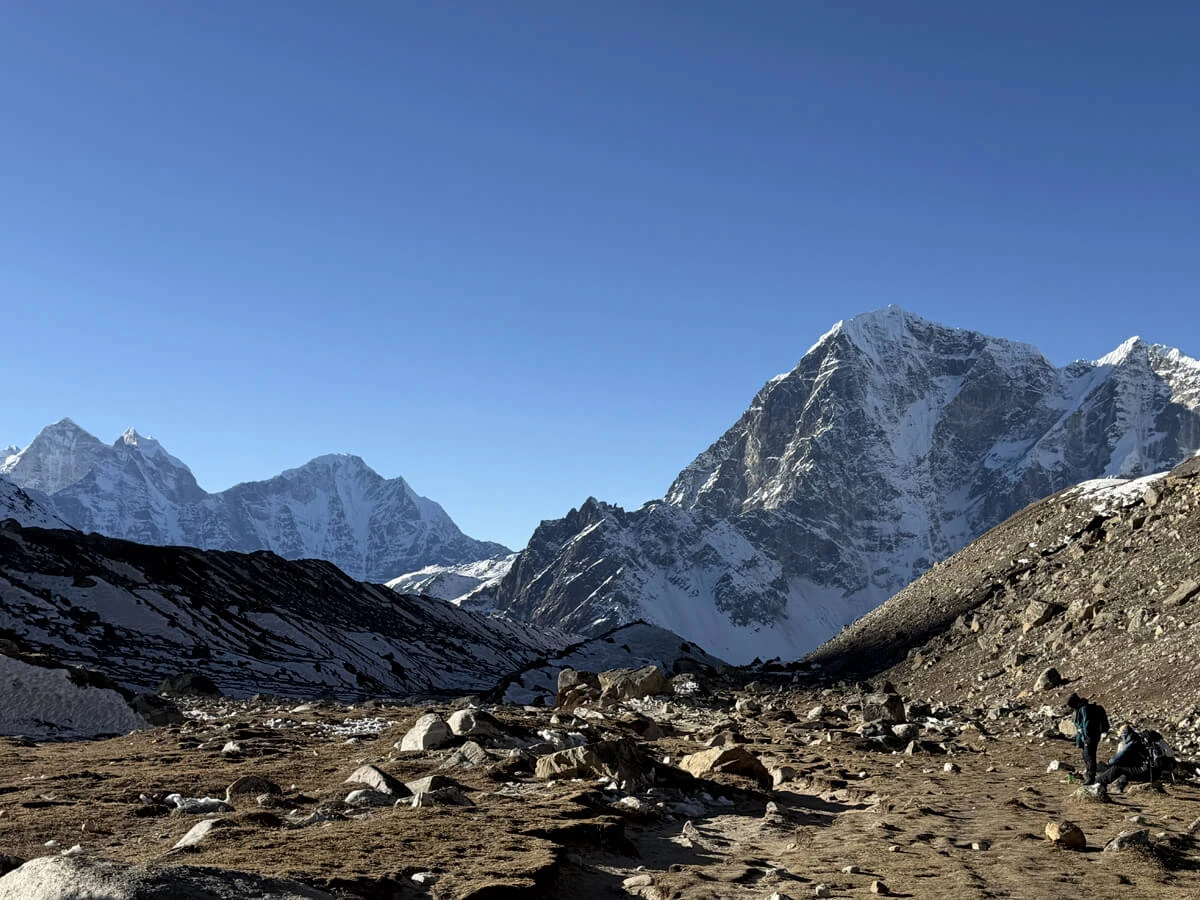
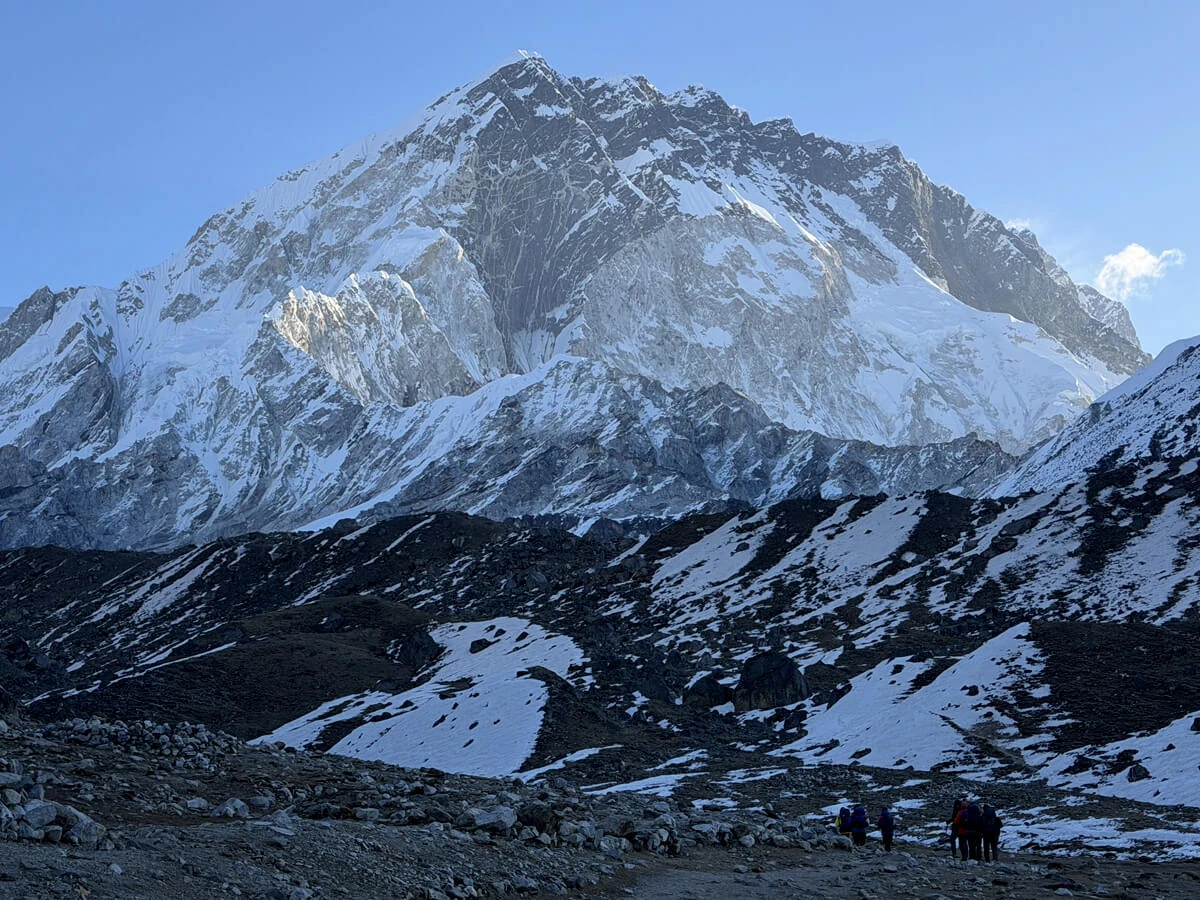
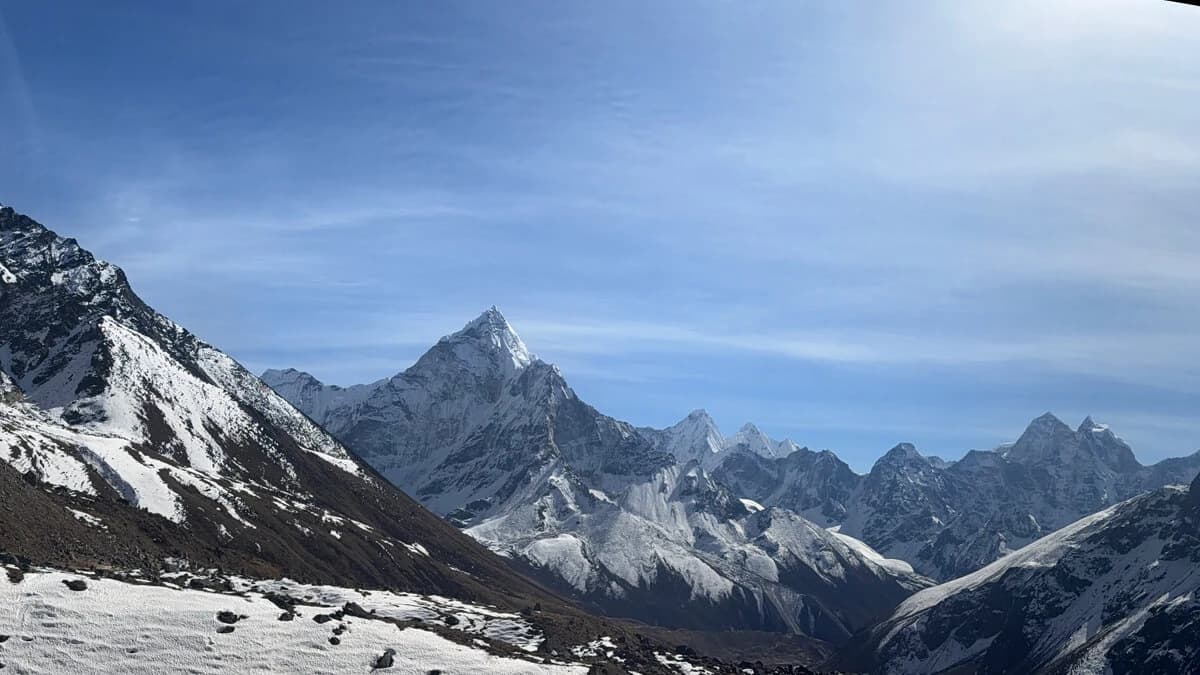
I.e., the exact Everest Base Camp trekking cost for teenagers and young adults depends on the services chosen and may fluctuate as per the customization. Under the shadow of Everest, Lhotse, Nuptse, Ama Dablam, and Thamserku, following in the footsteps of legends like Sir Edmund Hillary and Tenzing Norgay Sherpa, the first ones to make it to the Everest summit, the package price from Mountain Monarch is only transparent and reasonable.
What to expect during the Everest Base Camp Himalayan hike for teenagers and young adults?
Through the iconic Khumbu Valley of Nepal, the classic Everest Base Camp hiking journey ensures you a perfect blend of adventure, challenge, culture, and nature escape, and an experienced guide from Mountain Monarch makes sure that the journey is doable and enjoyable for teenagers and young adults. As the Himalayan trip progresses, you come across the diverse terrain of the Sagarmatha National Park.
Also, one of the natural world UNESCO heritage sites from Nepal, it is also home to some of the world’s most adventurous high-altitude trekking and climbing routes, such as the Everest Three High Passes Trek, Everest Circuit Trek, Mera Peak Climbing, Island Peak Climbing, Lobuche Peak Climbing, and the Everest Expedition, besides the Everest Base Camp Trek. You get to enjoy exploring the Himalayan land of Mount Everest, the roof of the world.
World’s one of the most adventurous airports, Lukla (approx. 2,860m)
Formally named Tenzing Norgay Airport, situated at an elevation of around 2,860 m, Lukla Airport is considered one of the most dangerous airports in the world due to its relatively short runway, high altitude, and geographical challenges atop the hills. Since most of the Everest Himalayan trekking and climbing journey on foot begins from here, it is also called the official gateway of the Everest Himalayas, and it won’t disappoint you.
The Everest Base Camp Trekking for teenagers and young adults also officially begins with a mountain flight to Lukla. Short, scenic, comfortable, and memorable, as you get to relish the aerial views of the lush valleys, traditional Nepalese villages, lush forests, cascading waterfalls, and also snow-capped mountains entering deep into the blue sky, the flyover, typically spanning 30-40 minutes to Lukla, is an adventure in itself.
The wildlife and photography haven, the Sagarmatha National Park
The Everest Base Camp Trekking Trail is part of the larger Sagarmatha National Park, which was established on 19 July 1976, covering an area of 1,148 square kilometers. It is one of Nepal's natural World Heritage Sites, along with the Chitwan National Park, and is home to diverse landscapes from subtropical lush forests of oak, pine, and rhododendron to barren and rocky terrains with sparse vegetation, providing a natural habitat for a variety of wildlife.
If you are teenagers and young lads who seek inspiration in nature and its grandeur for photography and the wildlife spotting intrigues, the Everest Base Camp Trek does not disappoint you at all. On your lucky day, you may even come across the rare species of red panda, Himalayan musk deer, and also the majestic, elusive snow leopard, the Everest Base Camp hiking for teenagers and young adults, and a chance to see the real beasts.
The windows to the life of Sherpas: More Namche Bazaar and More
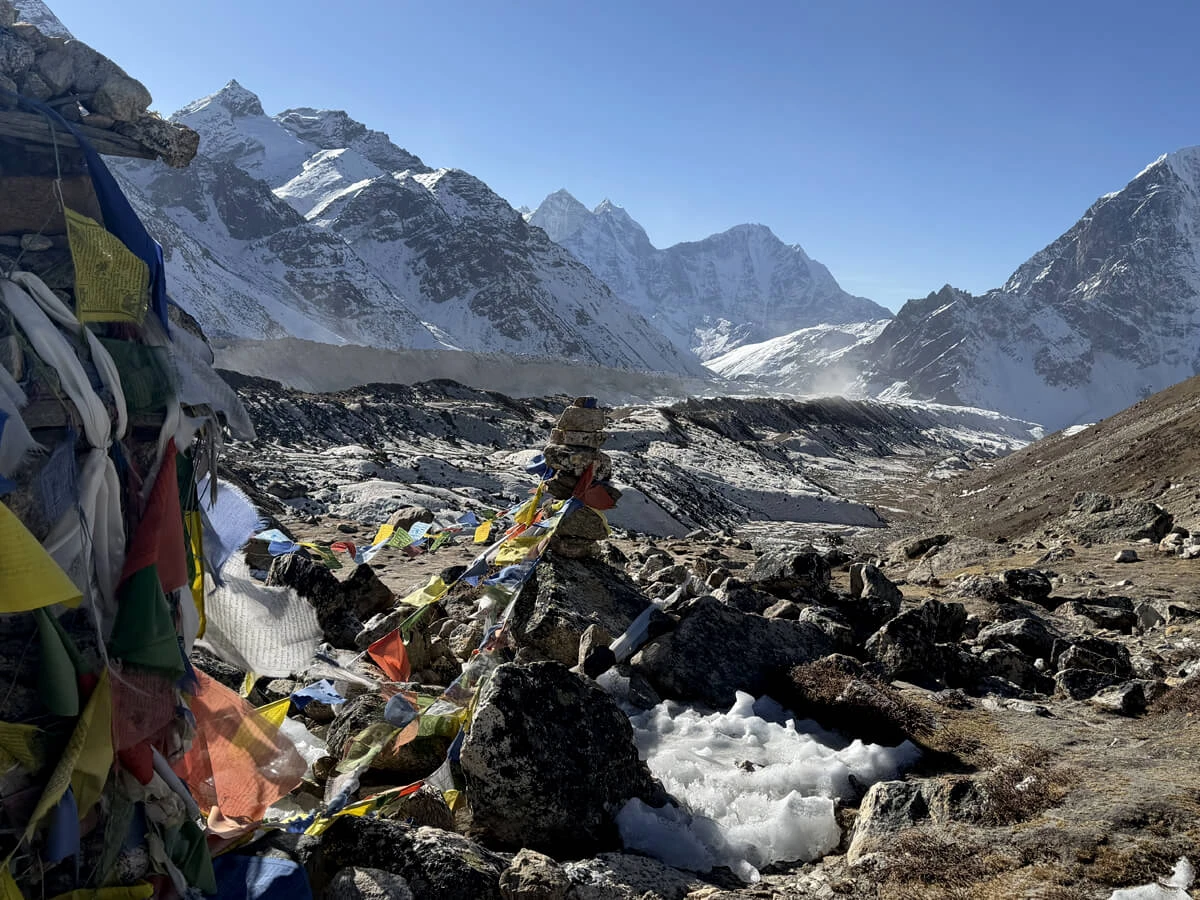
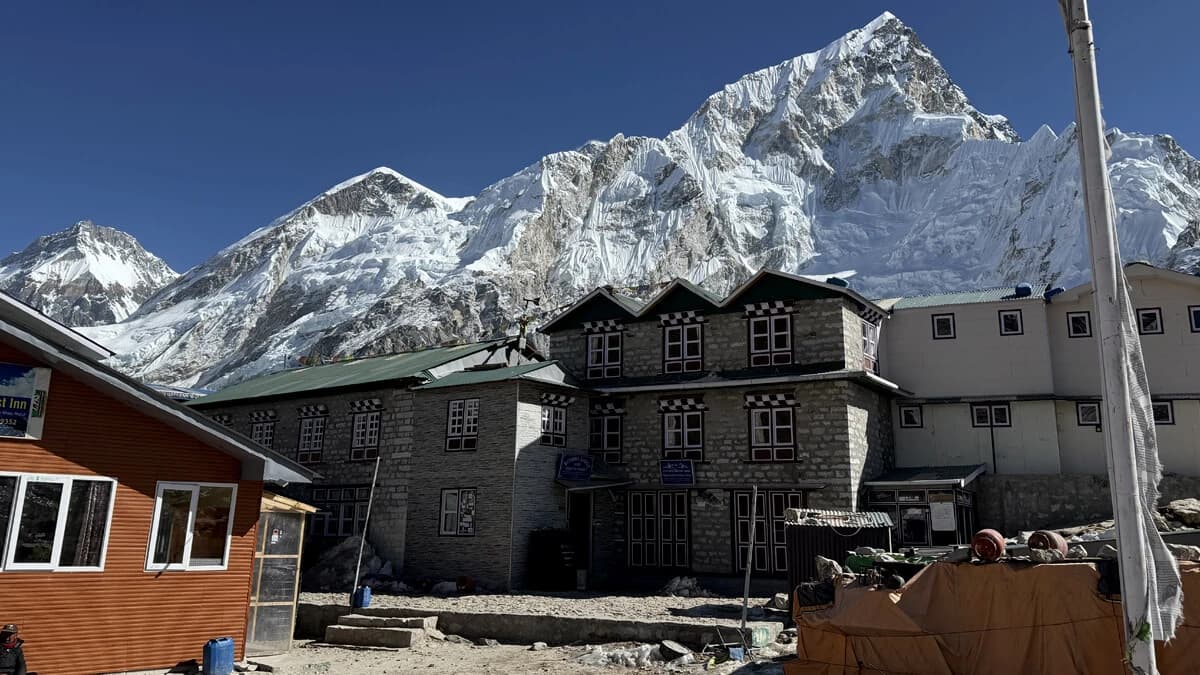
The Everest Base Camp Hike for teenagers and young adults, a package from Mountain Monarch, includes a comfortable stay at teahouses located between the typical mountain villages such as Namche Bazaar, Phortse, Dingboche, and Lobuche. Along the Dudh Koshi River, most of them are inhabited by a large population of Sherpas who have made remarkable names on climbing skills, adaptation, and resilience to arduous mountainous surroundings.
And as you stay in teahouses opened and managed by Himalayan locals, often eating what locals do, you have ample opportunity to understand their culture, customs, and traditions. Happy to share if asked. Among these villages, Namche Bazaar also stands out as the capital of the Sherpas. On the historical salt trade route, it is still a vibrant, bustling market that remains busy with local traders and those from Tibet as well; cultural insights and immersion are immense.
Where is the Everest Base Camp? How high is it?
Actually, there are two Everest base camps: the north one in Tibet and the south one in Nepal, and among these two, the south Everest base camp lies at a higher elevation than the north one, at around 5,364 m above sea level, and is known for a more comfortable approach to the Mount Everest summit. Therefore, in peak trekking and climbing seasons of spring and autumn, you can meet aspiring mountaineers looking forward to attempting the expeditions.
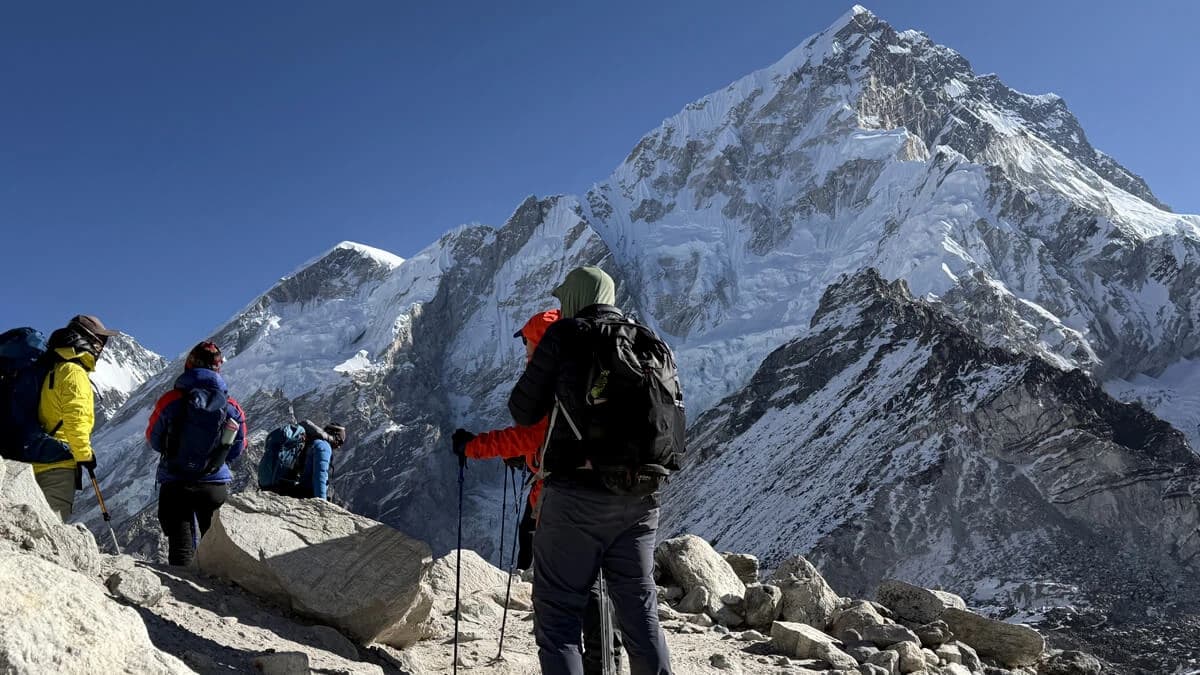
Although lower than the nearby high ridge, Kala Patthar (5,546 m), the closest you can get to the top of the world, Mount Everest, after its summit point is the Everest Base Camp. Often snowy, including a steeply ascending climb and later on downhill walks at the center of the Everest Himalayas, it ensures a deep sense of achievement, added by the closest sunrise view from Kala Patthar for those who made it here, including teens and young adults.
Can you see a Yeti during the high Himalayan trek to Everest Base Camp?
The chances are low, but the legends of the Yeti do add to the mystery of the Everest trekking and climbing regions of Nepal. Over the years, there has not been a record of their interaction with humans, but in the Khumjung Monastery, there is a skull that can be seen, which is believed to be the scalp of a Yeti. The folklore dates back centuries to the time of Lama Sangwa Dorje, one of the revered Buddhist saints. During this time, Yeti is believed to be his helper.
When Yeti passed away, the scalp is said to have been kept by the lama in the monastery as a symbol of compassion and an unbreakable bond between humans and nature. Some claim the Yeti still lives in the heavy snow and isolated region, with some claiming to have come across them; regardless, their stories and a chance of visiting the monastery and seeing a scalp while on the Everest Base Camp Trek are fascinating for many teenagers and young adults for sure.
Everest Base Camp Hike for Teenagers and Young Adults with Proper Gears and Equipment with Mountain Monarch
It is also what makes Himalayan treks, tours, and climbs special with Mountain Monarch, including the Everest Base Camp Trekking for Teenagers and Young Adults. In fact, the best part is that our comprehensive package price also includes the provision of all the essential trekking gear and equipment. Your safety is our priority, and we do not compromise with any of the measures that are helpful to facilitate a smoother and more memorable experience for you.
Sleeping bag, warm jackets, rain poncho if required, duffel bag, T-shirt, and trek map; we provide all of it. In addition to this, required trek porters who carry your trek gears. We ensure we have a supplementary Oxygen cylinder as a safety backup with a medical kit to ensure you have immediate assistance in case of medical attention due to high altitude as well. There’s hardly anyone who can match the attention and assistance we provide for your memorable Himalayan holiday experience in Nepal.
The Best 14 Days Everest Base Camp Trip Itinerary and Cost for 2026 and 2027 for Teenagers and Young Adults
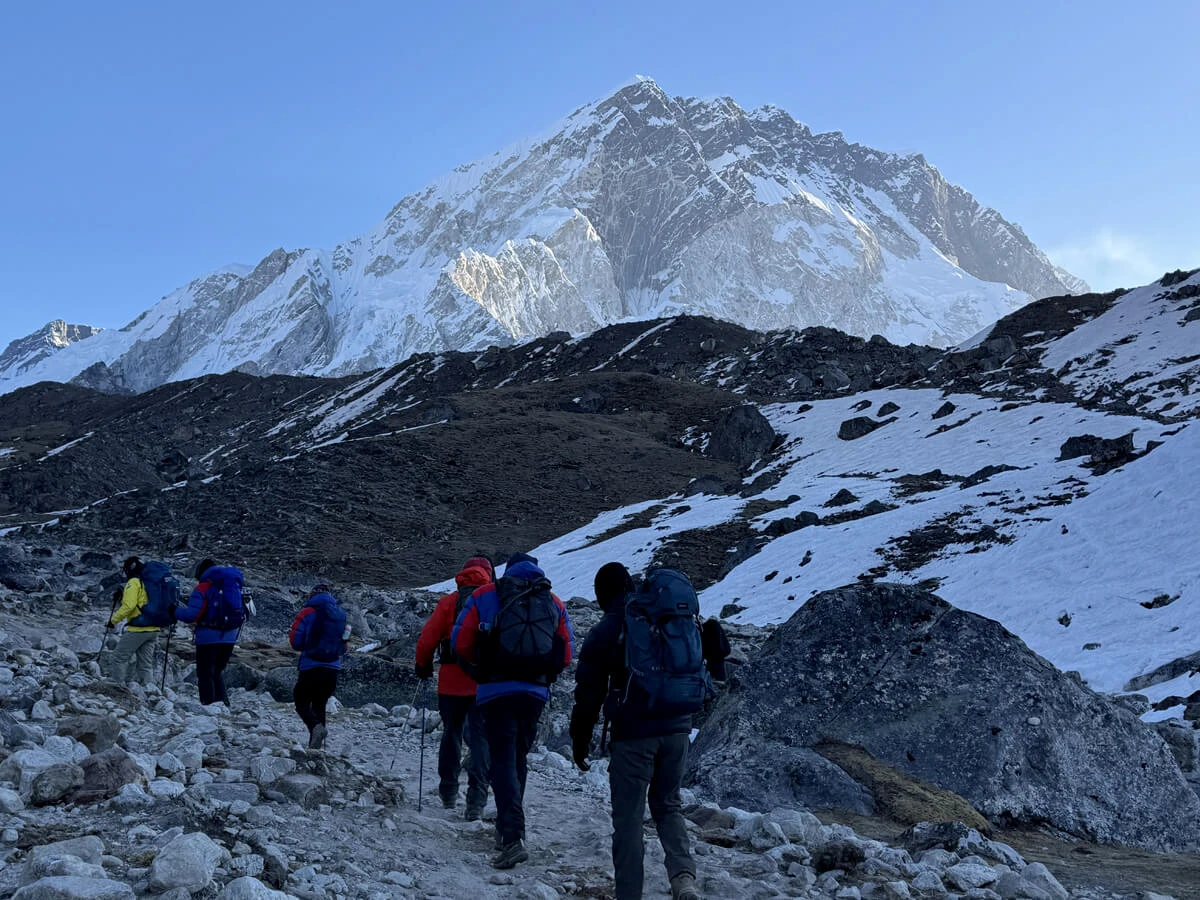
The 14-day Everest Base Camp Trek itinerary is the standard for teenagers and young adults from Mountain Monarch. It begins officially with a mountain flight to Lukla, from where you follow the classic Everest Base Camp Trekking Trail, which gradually goes through Phakding, Namche Bazaar, an acclimatization day at Namche Bazaar, Phortse, and Dingboche, a rest day at Dingboche, then to Lobuche and Gorak Shep, and head to the EBC.
The highlight of the journey does not end here; early next morning, you will also hike to Kala Patthar, the ultimate Everest viewpoint, and soak in the serene 360-degree sunrise views, a perfect conclusion before beginning to retrace the route. It ensures proper acclimatization, exploration, and balanced adventure. That is why this Everest Base Camp Trekking Itinerary of 14 days is taken as the best Everest trekking trail for teenagers and young adults.
Or you also have an option to customize. This may cause variation in the final Everest Base Camp Trek cost, including for the teenagers and young adults as well; do not worry, it is reasonable for the years 2026 and 2027. Premium services wherever available; if requested, a helicopter return is also arrangeable. Mountain Monarch is your trusted travel, trek, and adventure partner in Nepal, specializing in personalized journeys like no other.
Bookings are now open for 2026 and 2027, or join our fixed departures in spring and autumn!
Local-based in the heart of the country of hills and mountains of Nepal, the Kathmandu Valley, with more than two decades in tourism, Mountain Manarch can cater to a wide range of adventures with different health conditions, fitness levels, budget levels, solo, group, or private incldung the Everest Base Camp Hiking for teenagers and young adults or aged members ready to do something incredibly fun, adventurous, and memorable with homies.
Contact us now. Let us know what you wish for from your dream Himalayan holiday. Join our fixed departures in the spring and autumn, including for the years 2026 and 2027. Or make it entirely yours and plan a private Everest Base Camp trekking that focuses on your kinsfolk of teens and young lads inspired by nature, sky-towering mountain peaks, and the simple yet content life of Nepalese. We strive to make your dream come true!